Here’s a detailed look at the best things to do in Rwanda.
Nature and Wildlife Rwanda Activities
Rwanda’s national parks are famous for their wildlife and strong conservation work. From gorilla trekking to birdwatching, you’ll get to experience everything from dense forests to open savanna.
Rwanda Gorilla Trekking in Volcanoes National Park

Gorilla trekking in Rwanda’s Volcanoes National Park (Musanze, northwestern Rwanda) is a true bucket-list experience—a rare chance to see critically endangered mountain gorillas in the wild.
It’s about a 2-3 hour drive from Kigali. The park has 10 habituated gorilla groups, and visits are limited to eight people per group per day to keep disturbance to a minimum.
Treks start with a 7 a.m. briefing at the park headquarters/office. Armed park rangers then lead small groups through bamboo and rainforest trails. The walk can take ~ 2–7 hours, depending on the gorillas’ location that day.
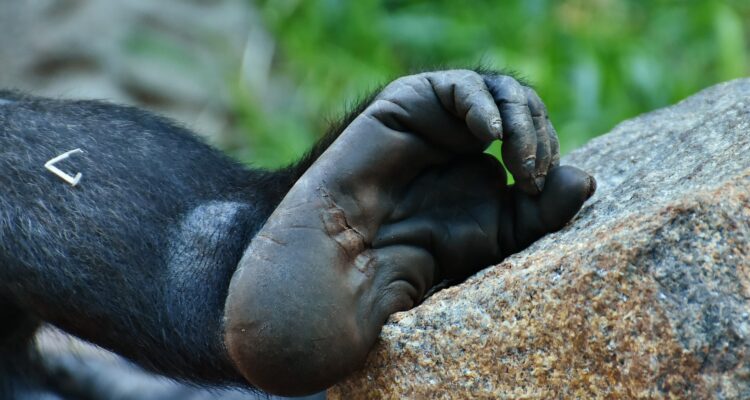
When you find the family, you’ll have one magical hour with them—often watching a silverback, playful infants, and other group members at close range. Along the way, you might also spot colobus monkeys and colourful birds such as the Rwenzori turaco.
It can be tough going underfoot, but it’s incredibly rewarding—especially with Rwanda’s dramatic volcanic scenery all around you.
A gorilla trekking permit costs $1,500 per person. Full-day tours (often including transport from Kigali) typically range from $1,800 to $2,500.
For easier hiking conditions, aim for the dry seasons (June to September and December to February), when the trails are less slippery.
The rainy months are beautifully green, but the paths can get muddy, making the trek more challenging.
Trekking is well managed, with armed guides focused on visitor safety throughout. Requirements can change (for example, a negative COVID-19 test may be needed), so it’s best to confirm the latest rules before you go.
While you’re here, you can also do golden monkey trekking. Another popular add-on is the Dian Fossey Hike, which takes you to her gravesite and former research camp for a deeper look at the park’s conservation story.
Chimpanzee Trekking in Rwanda’s Nyungwe National Park
Chimpanzee tracking in Nyungwe is a fast-paced, exciting way to meet Rwanda’s primates in one of Africa’s oldest rainforests.
It is done in Nyungwe Forest National Park, southwestern Rwanda, about 4–5 hours from Kigali.
This safari activity often starts with a morning briefing at Uwinka, followed by a trek of 1–4 hours with guides to locate chimpanzees. Tourists can spend one hour observing the giant chimps.
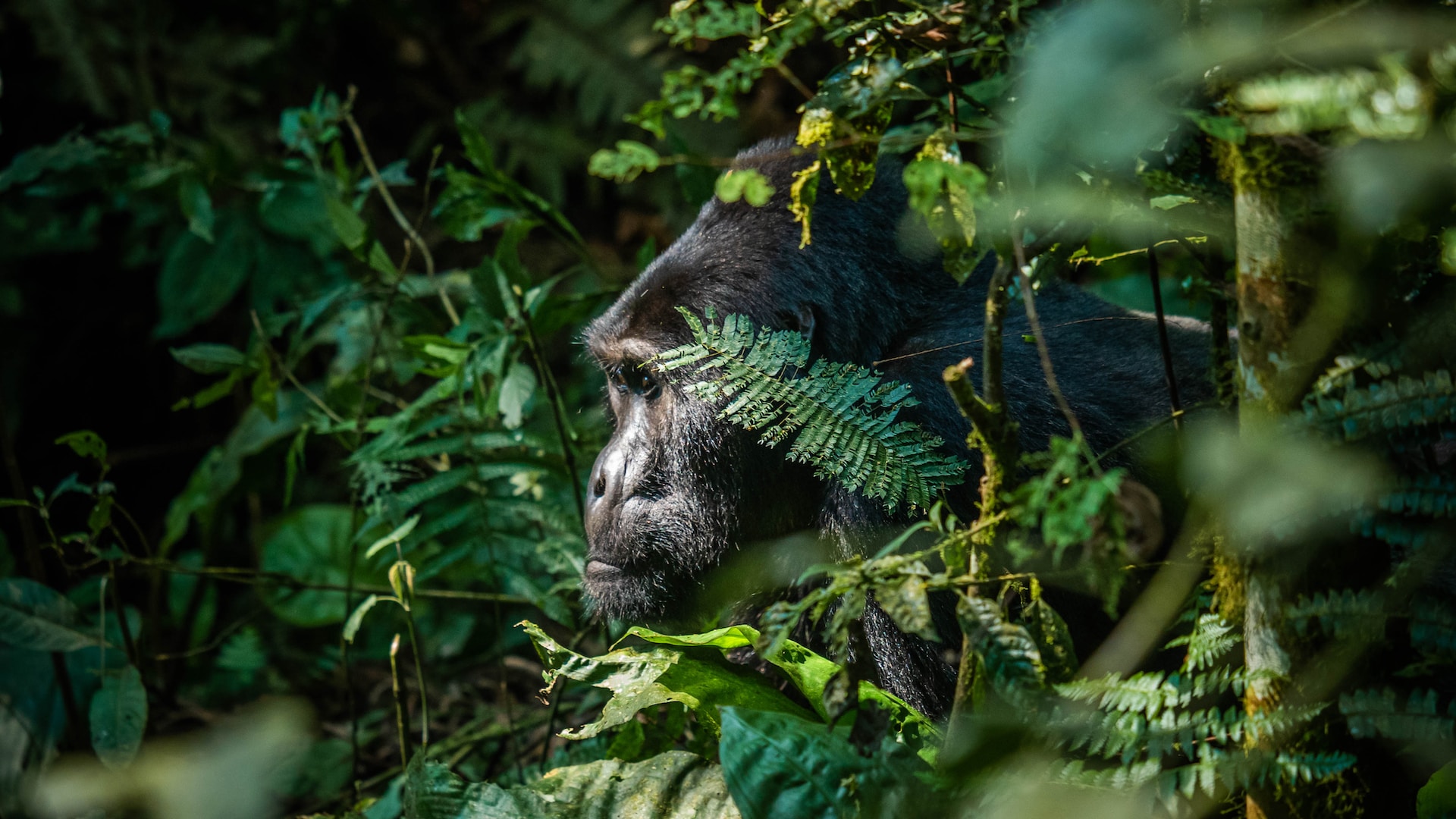
Besides the animal encounter with chimpanzees swinging through trees, travelers can also spot other primates and attractions like the L’Hoest’s monkeys, vibrant orchids, and birds like the crowned eagle.
Chimpanzee tracking permits cost $90 per permit per person. Full-day trips usually cost $400–$600, depending on what’s included.
Dry seasons are usually best (June-October, December–February) because the trails are less muddy, though you can still go in the rains—sometimes with shorter walks.
Golden Monkey Trekking in Rwanda’s Volcanoes National Park
Golden monkey trekking is a fun, lighter alternative to gorilla trekking—and a more budget-friendly way to see these playful, endangered primates with their striking golden fur.
This activity is mainly done in Rwanda Volcanoes National Park, found in the Musanze district.
After a 7:30 AM briefing at Kinigi headquarters, trek 1–2 hours to find habituated troops. Observe for one hour.
Among the tourist attractions to see during this activity are the Golden monkeys leaping through bamboo, buffaloes, and endemic birds.
It costs $100 for a permit to see these golden monkeys, with combined tours adding $150–200.
The dry seasons (June-October, December-February) are the best times to enjoy this activity for easier access; it can be done year-round with caution in the rain.
Hiking the Virunga Volcanoes in Rwanda Africa
Hiking Rwanda’s Virunga volcanoes, like Mount Bisoke, offers stunning views and a physical challenge for adventure seekers. Rwanda Volcanoes National Park, in northwestern Rwanda, is where most of the Rwanda hiking safaris take place.
Some of the Virunga Mountains worth hiking in Rwanda include Karisimbi (the Highest mountain in the Virunga mountain range at 4,507 metres above sea level) and Bisoke (a dormant volcano with hiking trails that offer stunning views)
A guided hike takes 2–8 hours and starts after a briefing, ascending steep trails to summits or to the crater lake. This hike also rewards hikers with glimpses of attractions like the crater lake, volcanic landscapes, gorillas, and birds like the Rwenzori batis.
Hiking permits are usually $75-$100, while full guided tours often range from $200-$400.
For clearer views and safer footing, the dry seasons (June-September, December-February) are the best time to hike.
Colobus Monkey Trekking in Nyungwe Forest National Park
Colobus monkey trekking in Nyungwe Forest National Park (in southwestern Rwanda) is a great way to watch large troops of black-and-white colobus monkeys moving through the treetops.
It starts with a morning briefing at Uwinka, a trek of 1-3 hours to find semi-habituated troops, and one hour is spent observing.
Some of the good things to see during this activity include groups of up to 400 colobus monkeys, blue monkeys, vervet monkeys, vibrant forest flora, and birds like the Rwenzori turaco.
It goes for $40-$60 for a permit, with tours costing $200-$350. The dry seasons (June-October, December-February) are the best for better visibility and trails.
Birding in Rwanda Safari Parks
With 750+ bird species (including 29 Albertine Rift endemics), Rwanda is a dream destination for birders. Birdwatching is popular in Nyungwe, Akagera, and Volcanoes National Parks, as well as around Lake Kivu and Rugezi Swamp.
Expert birders guide tours that explore trails or wetlands for 2-6 hours, utilizing birding binoculars and bird checklists.
Some of the attractions to see again include the Rwenzori turaco, shoebill stork, papyrus gonolek, and African fish eagle.
The activity permits are $30-$50, with guided tours costing $100-$300. The best time to go birdwatching in Rwanda is during the dry months of June-September for resident birds and December-February and the wet seasons for migratory species.
Safari Game Drives in Akagera National Park
Day Game Drives
Day game drives in Akagera National Park, eastern Rwanda, 2.5-3 hours from Kigali, offer a classic safari to spot Rwanda’s Big Five and more.
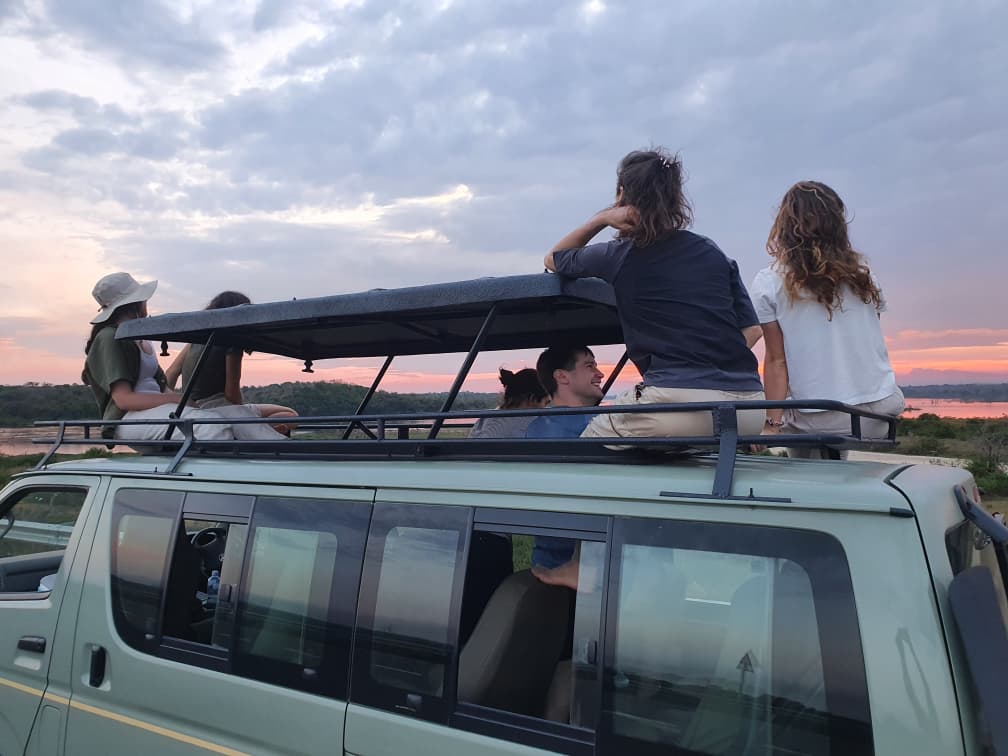
This activity involves guided 4–6 hour drives in 4×4 vehicles to explore savannas and lakes.
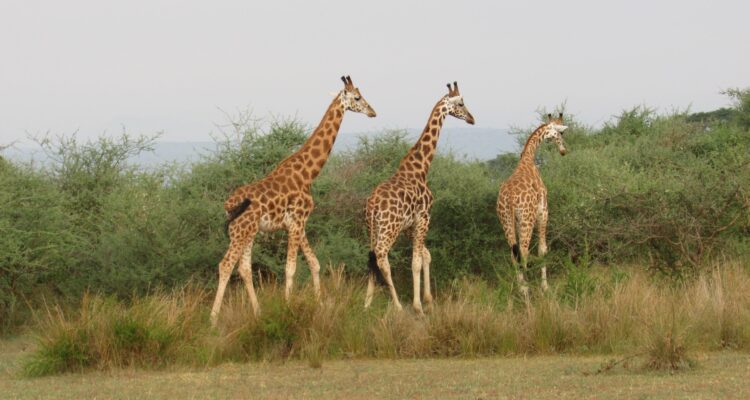
Fun things to see during these daytime safari drives include Lions, rhinos, giraffes, zebras, and shoebill storks.
They cost ~$50 for park entry, while tours are $200–$400.
The Dry seasons (June-October, December-February) are for animal concentrations.
Nocturnal/Night Game Drives
Night drives let you see a different side of Akagera’s nocturnal wildlife—and they’re a real highlight if you love the thrill of searching after dark.
In Akagera National Park, these evening drives usually last 2-3 hours and are done with guides using spotlights to scan the bush.
Common sightings can include leopards, hyenas, nightjars, and Verreaux’s eagle owl.
Expect to pay about ~$50 for park entry, plus $100–$200 for the night drive. Dry seasons are generally best for clearer visibility.
Wildlife Viewing in Rwanda Wildlife Safari Parks
Rwanda’s parks—Akagera, Nyungwe, Volcanoes, and Gishwati-Mukura—make wildlife viewing easy to combine with different landscapes, from savanna and wetlands to rainforest and volcanic slopes.
Most guided tours run for 2–6 hours and can be done by vehicle, boat, or on foot, depending on the park and the experience you choose.
You could spot the Big Five in Akagera, look for chimpanzees in Nyungwe, track golden monkeys in Volcanoes, and enjoy over 700 bird species—including the colourful Rwenzori turaco.
Park entry is usually $30 to $50, and guided activities often fall between $100 and $400. For the best chance of sightings, travel in the dry seasons (June to October and December to February).
Cultural and Historical Rwanda Activities
Rwanda’s culture—and its recent history—can be felt in everyday places, from lively markets to powerful genocide memorials, helping visitors understand both the past and the present.
Kigali City Tours
Kigali, Rwanda’s vibrant capital (often described as Africa’s cleanest city), is a great place to start—city tours combine history, culture, and the feel of modern Rwanda.
You can choose guided walking tours or fun moto-taxi tours in Kigali. Most take 2-4 hours and can include neighbourhoods, historical sites, and bustling markets.
Key attractions include the Kigali Genocide Memorial, honoring the country’s past; Kimironko Market for local food and textiles; Inema Art Center, showcasing contemporary artisan products for local artists as well as promoting their work; and Nyamirambo Women’s Center, where women trained in clothing creation craft souvenirs using local fabrics for sale.
Tours cost $50-$150, with some sites free. You can visit any time of year, but the dry seasons (June-September, December-February) are usually the most comfortable.
Cultural Experiences
To experience Rwanda’s traditions up close, many travellers visit the Iby’Iwacu Cultural Village near Volcanoes National Park in Musanze.
Most visits last 2-3 hours and include time with the Batwa (Rwanda’s indigenous people)—with energetic Intore dances, storytelling, traditional hut visits, and banana beer brewing demonstrations.
In Huye, the Ethnographic Museum adds more context with photos, cultural tools, and artefacts that highlight Banyarwanda local culture.
Iby’Iwacu tours cost $20-$50 per person. The dry seasons (June-September, December-February) are ideal for outdoor activities, and you’ll come away with a real feel for Rwanda’s friendly people and local cuisine.
Genocide Memorial Visits in Rwanda, Africa
A visit to Rwanda’s genocide memorials is a moving way to learn about the 1994 genocide, which took 500,000–800,000 lives in 100 days, and to understand the country’s resilience.
Key places include the Kigali Genocide Memorial (final resting place for 250,000 victims and an important education centre), Nyamata Church (where 10,000 Tutsis who sought refuge were killed), and the Murambi Memorial.
Guided tours, lasting 1–3 hours, feature exhibitions, survivor stories, photographs, and the poignant Children’s Room dedicated to the memory of young victims of the genocide, especially in the Kigali Genocide Memorial.
Entry is free, with donations encouraged; guided tours cost $20-$50. Year-round visits are possible, though dry seasons (June-September, December-February) ease travel in this country in East Africa.
Today, these memorials also stand for peace and unity—helping educate future generations and reflecting Rwanda’s ongoing work of healing and reconciliation.
Community and Cultural Village Tours
Community and cultural village tours give you a chance to step into everyday life in Rwanda and learn about local traditions.
At Gorilla Guardians Village in Musanze and the Nyamirambo Women’s Center in Kigali, 2-4 hour guided tours can include traditional crafts, banana beer making, cooking, and hands-on activities such as milking cows or pottery.
Expect energetic Intore Dance Troupe performances with drumming and dance, plus time to browse local markets. In Musanze, many tours are run by former poachers who now work in conservation, and they typically cost $20-$50 per person.
You can also take part in Umuganda community service (held on the last Saturday of each month) to see Rwanda’s strong community spirit in action.
Dry seasons (June-September, December-February) make rural travel easier and help you get the most out of these community visits.
Attending Kwita Izina Gorilla Naming Ceremonies
Kwita Izina is Rwanda’s famous gorilla naming event, held every September in Kinigi near Volcanoes National Park. It celebrates conservation by officially naming newborn gorillas.
The day is full of colour, with traditional Intore dancers, conservation speeches, and stalls selling local crafts—a great window into Rwandan culture and wildlife protection.
Entry is free, and guided tours with transport usually cost $100-$200. September is part of the dry season, so the weather is typically comfortable for enjoying the celebrations—and for seeing Rwanda’s commitment to protecting critically endangered mountain gorillas.
Tours at the Rwanda Museums
Rwanda’s museums are perfect if you want to dig deeper into the country’s royal history, culture, and colonial-era stories.
At the King’s Palace Museum in Nyanza, the Ethnographic Museum in Huye, and Kandt House in Kigali, 1-2 hour guided tours walk you through royal artefacts, traditional tools, and colonial history exhibits.
Entry is usually $5 to $10, and guided tours often cost $20 to $50.
You can visit the King’s Palace Museum in Nyanza, the Ethnographic Museum in Huye, and other sites throughout the year. Dry seasons (June-September, December-February) simply make road travel easier for exploring Rwanda’s rich heritage.
Adventure and Leisure Activities in Rwanda, Africa
Rwanda’s hills, forests, and lakes are made for both adventure and downtime—from canopy walks to cave tours—so it’s easy to add a little adrenaline (or relaxation) to your safari holiday.
Nyungwe Canopy Walks
The Nyungwe canopy walkway in Nyungwe Forest National Park is a heart-pumping walk suspended about 60 meters above the forest—one of Africa’s best-known canopy experiences since it opened in 2010.
Starting from the Uwinka reception, you’ll cross a 160-meter suspension bridge as part of a guided 2-hour trek with expert guides. Visitors may spot chimpanzees, colobus monkeys, vibrant Rwenzori turacos, and the lush forest canopy.
The permit costs $60, with tours ranging from $100 to $200. For the safest, least slippery conditions, go in the dry seasons (June to October and December to February). Nyungwe’s 15+ trails also offer excellent nature walks.
Karisoke Research Centre and Dian Fossey Grave Visits
The Karisoke Research Centre and Dian Fossey’s grave in Volcanoes National Park (between Mount Karisimbi and Bisoke) offer a meaningful way to learn about gorilla conservation and the work that helped protect these primates.
Guided 2-3 hour hikes usually include conservation briefings, a visit to Fossey’s grave, and time to learn about the research work here, all set in stunning volcanic scenery. Permits are $75-$100, and tours typically cost $150 to $300.
Dry seasons (June-September, December-February) make the trails clearer and the hike more comfortable.
Boating Excursions (Lake Kivu, Lake Ihema, Twin Lakes)
Boat trips on Lake Kivu (Rwanda’s largest lake), Lake Ihema in Akagera, and the Twin Lakes (Burera and Ruhondo) are an easy, scenic way to slow down and enjoy the views—often with great wildlife spotting along the shore.
Guided 1-2 hour motorboat or canoe cruises from the popular towns of Gisenyi and Kibuye on Lake Kivu (the largest water body in Rwanda with no hippos or crocodiles) showcase stunning sunrise and sunset views, while L. Ihema reveals hippos, crocodiles, and African fish eagles.
Costs range from $30 to $100 per person, with the costs of the many hotels and resorts with access to Kivu Lake ranging between $200 and $500. Multi-day paddling adventures are available on Kivu Lake. Dry seasons (June-September, December-February) are usually best for calmer water and clearer skies.
Sport Fishing in Rwanda
Sport fishing is available on lakes and rivers such as Lake Kivu, Lake Ihema, Lake Muhazi, and Lake Shakani. Guided trips usually last 2-4 hours and can involve hooks, nets, or spears while targeting Nile tilapia and catfish—with great chances to see local fishermen and birds like African fish eagles.
Trips cost $50 to $150 per person. Dry seasons (June-September, December-February) usually bring clearer water and better conditions for a day on the lake.
Musanze Cave Explorations
Musanze Cave explorations in the Musanze district, near Volcanoes National Park, take you underground through ancient lava tube caves for a memorable change of scenery.
Most 1-2 hour tours provide headlamps and a guide, and you’ll walk past stalactites, bat colonies, and dramatic volcanic rock formations.
Tours usually cost $30-$50 per person, making it an easy add-on to your itinerary. Dry seasons (June-September, December-February) are typically drier underfoot and more comfortable—ideal for exploring Rwanda’s geological wonders.
Gorilla Conservation Tours
Gorilla conservation tours around Volcanoes National Park and Gorilla Guardians Village give you a behind-the-scenes look at Rwanda’s work to protect mountain gorillas.
These 2-4 hour tours may include talks on habituation, community projects, and visits to conservation displays that explain how gorilla protection works on the ground.
A top stop is the Ellen DeGeneres Campus of the Dian Fossey Gorilla Fund, where you’ll find a replica of Fossey’s cabin, some of her personal items, a café, and a gift shop selling unique souvenirs such as gorilla nose print keepsakes.
Tours cost $50 to $150. Dry seasons (June-September, December-February) make it easier to get around and explore comfortably.
Tea Plantation Visits
Tea plantation tours are a relaxing way to see Rwanda’s countryside, especially at estates like Gisovu Tea Estate near Nyungwe and Pfunda Tea Estate by Lake Kivu.
Guided walks usually take 1-2 hours and include a stroll through the fields, tea tasting, and a look at how the leaves are processed—showcasing local farmers’ expertise.
Tours cost $20-$50 per person. Dry seasons (June-September, December-February) bring pleasant weather for enjoying Rwanda’s green tea landscapes.
Culinary Tours
Culinary tours are a tasty way to explore Rwanda, with local favourites such as isombe, grilled meats, and urwagwa (banana beer).
Most tours run in Kigali, at the Nyamirambo Women’s Center, and in cultural villages. In about 2-3 hours, you can do cooking classes, stop by milk bars, and shop for ingredients at Kimironko Market.
Tours typically cost $30-$100 per person. You can do them any time of year, though dry seasons (June-September, December-February) are especially comfortable for market visits and walking tours.
Cycling Tours
Cycling tours in Rwanda are a fantastic way to see the country at a slower pace—especially on the famous Congo Nile Trail. Covering about 140 miles, it’s considered one of East Africa’s best cycling routes, winding past Lake Kivu, the Twin Lakes, and scenic countryside.
Guided bike tours can last anywhere from one to five days and follow marked trails with big lake views, welcoming villages, tea plantations, and striking volcanic landscapes.
Prices are usually $50 to $200 per day, depending on the length of the trip and what’s included.
For smoother riding, plan for the dry seasons (June to September and December to February), when the trails are drier and easier to handle.
Adventure Sports in Rwanda
Adventure sports in Rwanda include kayaking, paddle boarding, mountain bike safaris, and paramotoring for travellers who want something different. You’ll find these experiences around Lake Kivu, Akagera, and Nyungwe National Park, with guided sessions lasting about 1-4 hours and usually including equipment.
Most activities cost $50-$200 per person. Dry seasons (June-September, December-February) tend to offer the safest conditions for outdoor adventures.
Photography and Filming
Rwanda is incredibly photogenic—from wildlife to rolling hills and city life. In Volcanoes, Nyungwe, Akagera, Lake Kivu, and Kigali, guided or self-guided sessions (with permits where required) often last 2-6 hours. Capture gorillas, volcanic peaks, vibrant markets, and breathtaking sunsets.
Permits cost $50-$200, with tours ranging from $100 to $400. Dry seasons (June-September, December-February) usually bring clearer skies and more active wildlife—great for strong photos and video.
World-Class Destinations and Places to Visit in Rwanda
Rwanda Volcanoes National Park
Volcanoes National Park, in Musanze, is Rwanda’s premier destination for gorilla and golden monkey trekking. It is located in Northwestern Rwanda, just 2-3 hours from Kigali and it spans ~160 square kilometers. Established in 1925, it’s home to five Virunga volcanoes and was the base for Dian Fossey’s gorilla research in the country.
Nyungwe Forest National Park
Nyungwe is a biodiversity hotspot for chimpanzee trekking and canopy walks, which are always unique forest experiences for visitors. It is located in southwestern Rwanda, just 4-5 hours from Kigali.
Nyungwe NP spans over 1,000 square kilometers and is home to 13 species of primates, including chimpanzees and Angola Colobus, plus over 1,000 species of plants and 310 species of birds. Protected since 1933, it’s one of Africa’s oldest rainforests, vital for primate conservation.
Akagera National Park
Akagera National Park, Rwanda’s only savanna park, spans 1,085 square kilometers in eastern Rwanda, a 2.5-3 hour drive from Kigali. Established in 1934, it faced severe wildlife loss during the 1994 genocide but has rebounded through dedicated conservation and rewilding efforts.
The Akagera park hosts the Big Five—lions, elephants, rhinos, leopards, and buffalo—and offers excellent guided safari drives, sport fishing, boat safaris on Lake Shakani, and nature walks.
Park entry costs $30-$50, with tours ranging from $100 to $400. The best time for wildlife viewing is during the dry seasons (June-October, December-February).
Gishwati-Mukura National Park
Gishwati-Mukura, Rwanda’s newest national park in western Rwanda near Lake Kivu, spans 34 square kilometers (Gishwati) and 16 square kilometers (Mukura). Officially gazetted in 2015, it’s being restored after years of deforestation.
Today, the park is known for primate trekking and birdwatching in its montane forests. Visit during the dry seasons (June-September, December-February) for easier trails and more comfortable exploring.
Kigali City
Kigali, Rwanda’s vibrant capital, seamlessly blends modern infrastructure with rich history. Explore bustling markets like Kimironko, insightful museums such as the Ethnographic Museum, and poignant Rwandan genocide memorials, including the Kigali Genocide Memorial Centre.
Year-round access is possible, but ideally during dry seasons (June-September, December-February) is the best time, when Kigali offers a deep dive into Rwanda’s culture, resilience, and dynamic urban life.
Top-Rated Rwanda Safari Lodges and Hotels
Luxury
- Bisate Lodge (Rwanda Volcanoes National Park)
- One&Only Gorilla’s Nest (Volcanoes National Park)
- One&Only Nyungwe House (Nyungwe Forest)
- Magashi Camp (Akagera National Park)
- The Retreat (Kigali)
- Lake Kivu Serena Hotel (Gisenyi)
Mid-range
- La Locanda (Musanze)
- Ruzizi Tented Lodge (Akagera)
- Paradise Malahide (Lake Kivu)
- Heaven Boutique Hotel (Kigali)
Budget
- Yambi Hostel (Kigali)
- Gisakura Guesthouse (Nyungwe)
- Fatima Hotel (Musanze)
How to Get to Rwanda for Safari Activities?
Getting to Rwanda is straightforward, with Kigali International Airport (KGL) serving as the main entry point, connected to hubs like Nairobi, Addis Ababa, and Istanbul.
Regional travelers can cross from Uganda, Tanzania, or the Democratic Republic of Congo via bus or private car at borders like Gatuna.
Within Rwanda, private drivers, SafeMotos, or Akagera Aviation’s helicopter transfers offer safe, efficient travel to safari parks.
Rwanda Safari Packing List: What to Wear and Pack
What to Wear
- Long-sleeved shirts and trousers (neutral colors for wildlife)
- Waterproof hiking boots
- Rain jacket or poncho
- Wide-brimmed hat
- Sunglasses
- Scarf or shawl for cool evenings
What to Pack
- Passport, visa, yellow fever certificate
- Local currency (RWF), debit/credit card
- Toiletries (sunscreen, insect repellent, hand sanitizer)
- Camera, portable charger, universal adapter
- Reusable water bottle
- First aid kit, medications
- Binoculars for wildlife and birding
Commonly Asked Questions (FAQs) About What to Do in Rwanda
- What is Rwanda Best Known For?
Rwanda is renowned for mountain gorilla trekking, its clean capital Kigali, vibrant culture, and conservation efforts. It’s also famous for banning plastic bags and its resilient post-genocide recovery, as showcased in its Rwandan genocide sites.
- Is it Safe to Travel to Rwanda Now?
Yes, Rwanda is one of Africa’s safest countries, with low crime rates, dedicated tourist police, and a welcoming Rwandan culture, ensuring a secure travel experience. It’s safer than the neighboring Democratic Republic of Congo, among other countries in East Africa.
- Is Rwanda a Good Place for Tourists?
Rwanda is an excellent destination, known for its safety, rich culture, and stunning landscapes. Its compact size and excellent infrastructure make it ideal for exploring safari parks and cultural sites.
- How Many Days Are Enough for Rwanda?
A 5-10 day trip allows you to experience gorilla trekking, cultural tours, and safari parks. Longer stays offer a deeper exploration of Rwanda’s diverse tourist attractions. This includes the former presidential palace (King’s Palace Museum), hôtel des mille collines (featured in the movie Hotel Rwanda), diverse wildlife species, local people, and milk bars, all of which provide the best glimpses into the natural beauty and history of this country.
- Is Rwanda a Cheap Country to Visit?
Rwanda offers budget to luxury options. Gorilla permits ($1,500) are pricey, but accommodation, food, and transport can be affordable depending on your choices.
- Why Do Tourists Visit Rwanda?
Most tourists visit for gorilla and primate tracking, vibrant culture, genocide memorials, and stunning scenery/landscapes, drawn by Rwanda’s safety and conservation focus in East Africa.
- What is the Activity of Visiting Places as a Tourist?
Tourism in Rwanda is the activity of visiting places as a tourist. It involves exploring national parks, cultural villages, and historical sites, and engaging in activities like trekking, bird watching, safaris, and cultural immersion.
Rwanda’s blend of natural beauty, rich culture, and adventure, from trekking gorillas to city tours, makes it a must-visit destination for adventure seekers. Book your safari today with us, your reputable tour operator, for an unforgettable experience in the Land of a Thousand Hills!
 >
>