 >
> 
WORLD CLASS RWANDA NATIONAL PARKS
Discover and explore the world-class Rwanda National Parks for the most remarkable African wilderness safaris!
Rwanda, known as the land of a thousand hills in Central Africa, is home to four remarkable national parks that highlight its extraordinary biodiversity.
From the mist-covered Virunga Mountains hosting endangered mountain gorillas to expansive savannah plains teeming with lions and the elephant, these parks of Rwanda, managed by the Rwanda Development Board, draw global tourists for wildlife safaris, nature or bush walks, and cultural experiences with local villages or communities.
Bordering Uganda, the Democratic Republic of Congo, and near Lake Victoria, Rwanda’s national parks offer unique ecosystems and unforgettable adventures.
Explore the Top Rwanda National Parks Below.
Let us give you a clear picture of what these Rwanda safari parks entail!
Volcanoes National Park
Located in northwestern Rwanda, Volcanoes NP spans 160 square kilometers of lush rainforests, rugged volcanic slopes, and five peaks of the Virungas in Africa, near the borders with Uganda and the Democratic Republic of Congo.
Established in 1925 to protect mountain gorillas in Rwanda listed as endangered by the International Union for Conservation of Nature (IUCN), it remains Rwanda’s most visited park, offering wilderness safaris and a haven for endangered species.
Attractions In Volcanoes National Park

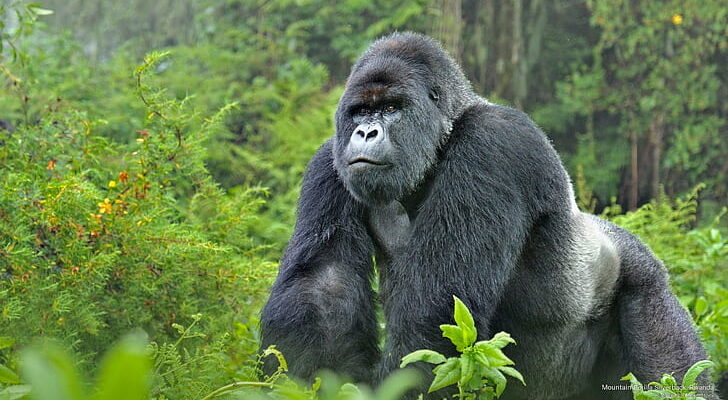
Volcanoes National Park is renowned for its population of endangered mountain gorillas, with 10 habituated families roaming bamboo forests.
Visitors can also spot golden monkeys, silver monkeys, L’Hoest’s monkeys, among other primates and spotted hyenas.
The park also hosts 178 bird species, including Albertine Rift endemics, and features stunning views of Mount Karisimbi (4,507 meters).
The Musanze Caves add historical intrigue, while forest elephants and buffalo roam the unique ecosystem.
Volcanoes National Park Safari Activities
- Mountain Gorilla Trekking: A 1-7 hour trek through misty trails to observe habituated gorilla families, guided by expert rangers.
- Golden Monkey Tracking: A vibrant, shorter trek to see these playful golden monkeys.
- Virunga Volcano Hikes: Ascend Mount Bisoke for its crater lake or tackle Karisimbi’s summit.
- Nature Walks: Spot birds and primates on guided trails.
- Cultural Visits: Engage with local villages and communities of the Batwa, including former poachers’ villages like Gorilla Guardians Village\Iby Iwacu Cultural Village, for cultural immersion.
Rwanda Volcanoes National Park Safari Lodges and Hotels
- Luxury: Bisate Lodge, with eco-friendly dome designs and Virunga volcano views.
- Mid-range: Sabyinyo Silverback Lodge, etc.
- Budget: Kinigi Guest House, near park headquarters.
Costs Incurred on Rwanda Volcanoes National Park Tours
- Entry Fee: $40 per person daily (foreigners).
- Gorilla Permit: $1,500 per person (book via Rwanda Development Board).
- Golden Monkey Tracking: $100.
- Volcano Hikes: $75-$400, depending on the peak.
- Guides/Porters: $15-$20 each.
Getting To Rwanda Volcanoes National Park
Fly into Kigali International Airport, then drive 2-3 hours to Musanze (Ruhengeri) on paved roads. From Musanze, it’s a short transfer to Kinigi headquarters. Public buses or private shuttles from Uganda’s border are also options.
Best Time to Visit Volcanoes National Park
Dry seasons (June-September, December-February) offer easier trekking conditions, but the park is open year-round, with fewer crowds during rainy seasons (March-May, October-November).
Akagera National Park
Spanning 1,122 square kilometers in eastern Rwanda, Akagera National Park is the country’s largest and only savannah ecosystem, bordering Tanzania and near Lake Victoria and the Burundian border.
Established in 1934 and managed by the Akagera Management Company and African Parks, Akagera, one of the best national parks in Rwanda and the only savannah park in the country, offers a classic African wildlife reserve experience with waterscapes, wetlands, and grassy plains.
Akagera National Park Attractions
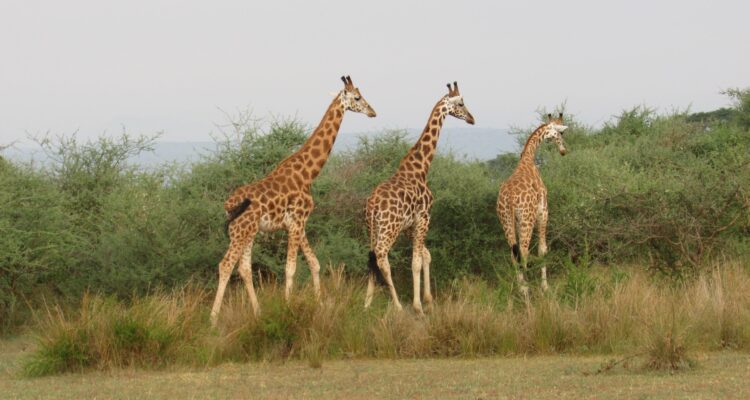
Akagera is the only place in Rwanda where tourists can see all the Big Five animals—lions (reintroduced in 2015), the elephant, rhinos, leopards, and buffaloes—alongside zebras, hippos, giraffes, and antelopes like impala and eland.
Over 500 bird types, including shoebills and papyrus gonoleks, thrive around waterscapes like Lake Ihema.
Akagera NP is home to various water bodies, including rivers and lakes.
The savannah plains and wetlands host crocodiles and rare sitatunga antelopes, all of which can be seen during Rwanda safaris.
Safari Activities Done in Akagera National Park
- Game Drives: Dawn or dusk drives to spot lions, hyenas, and more.
. Birdwatching: Popular activity with more than 500 bird species recorded in Akagera NP
- Boat Safaris: Explore Lake Ihema for hippos and birds.
- Guided Bush Walks: Discover smaller species like golden and serval cats.
- Night Drives: Encounter nocturnal wild fauna like bush babies for added thrill in this safari country.
Akagera National Park Accommodations
- Luxury: Magashi Camp, with upscale tents overlooking lakes.
- Mid-range: Ruzizi Tented Lodge, blending comfort and nature.
- Budget: Akagera Game Lodge near the entrance.
- Camping: Wilderness Safari tented camps for an authentic bush experience.
Costs Incurred During Rwanda’s Akagera National Park Tours
- Entry Fee: $50 per person daily (foreign non-residents).
- Game Drives: $40-$80 per vehicle.
- Boat Safaris: $30.
- Night Drives: $60.
Getting To Akagera National Park
Drive 2.5 hours east from Kigali on good roads to the main gate of Akagera National Park. Matatu minibuses from Kigali are available in this country, or fly to Kayonza Airstrip for faster access.
Best Time to Visit Akagera National Park
Dry seasons (June-September, December-February) are the best times to traverse Akagera National Park, as it is during these months that a huge concentration of animals is around water bodies, enhancing wildlife sightings.
Nyungwe Forest National Park
Located in southwestern Rwanda near Lake Kivu and nears the Democratic Republic of Congo and Burundi, Nyungwe Forest National Park, one of the best national parks in Rwanda, covers 270 square kilometers of ancient montane rainforest—one of Africa’s oldest and largest.
Known for its biodiversity, this park, established in 2005, supplies water to much of Rwanda and is a gem of the Albertine Rift worth traversing when on safaris in Rwanda.
Tourist Attractions in Nyungwe National Park
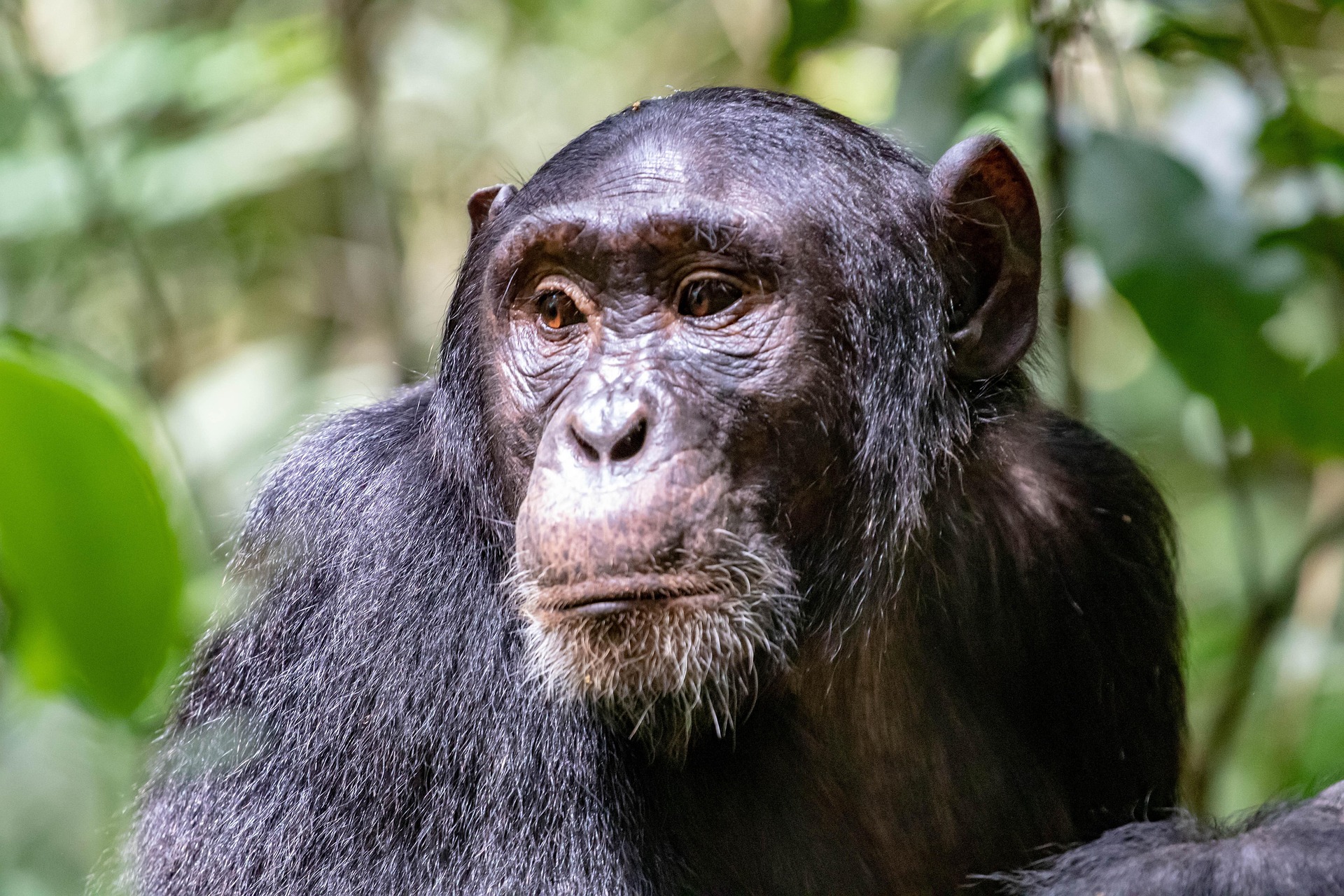
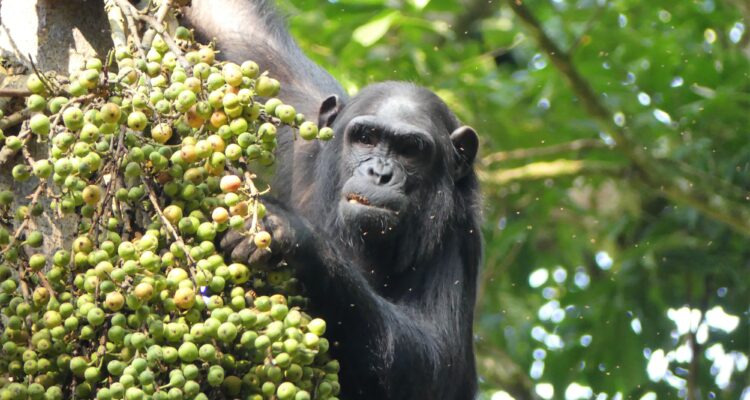
Nyungwe hosts 13 primate species, including chimpanzees, Angola colobus, blue monkeys, silver monkeys, vervet monkeys, Hamlyn’s monkeys, and L’Hoest’s, among other primates.
Over 310 birds and 200 tree varieties in the different corners of Nyungwe, including orchids, thrive alongside waterfalls, bogs, and bamboo groves.
Leopards, golden cats, and the elephant add to the wild allure as seen on Rwanda wildlife tours here.
Nyungwe Forest National Park Safari Activities
- Chimpanzee Tracking: The primary wildlife viewing activity in Nyungwe that allows tourists to observe habituated chimp groups for an hour.
- Canopy Walk: Cross a 70-meter suspension bridge for treetop views.
. Birdwatching: over 310 types of avians in Nyungwe Forest, making it a great destination for bird watchers
- Nature Walks: Explore 20+ km of trails for birding and primate spotting.
- Congo Nile Trail: Multi-day hiking or biking connecting to L. Kivu.
Accommodations In Nyungwe Forest National Park
- Luxury: One & Only Nyungwe House, former Nyungwe Forest Lodge, with forest-view suites or eco-chalets, set among tea plantations.
- Mid-range: Nyungwe Top View Hill Hotel, offering good facilities
- Budget: Gisakura Guest House or Uwinka Center; camping along trails.
Nyungwe National Park Costs Incurred
- Entry Fee: $40 daily (foreigners).
- Chimpanzee Permit: $100.
- Canopy Walk: $15.
- Guided Walks: $30-$60.
Getting To Nyungwe National Park
Drive 4-5 hours southwest from Kigali to Gisakura gate via Huye. Buses from Kigali stop nearby, or combine with Lake Kivu for scenic routes.
Best Time to Visit Nyungwe National Park
Dry seasons (June-October, December-February) offer clearer trails, making them the perfect times to explore Nyungwe Forest National Park, though year-round misty rains enhance the forest’s mystical atmosphere in this country.
Gishwati Mukura National Park
Rwanda’s newest park and one of the best national parks in Rwanda, created in 2015, Gishwati National Park spans 62 square kilometers across two jungles (Gishwati and Mukura) in the northwest, part of the Congo-Nile divide.
Linking to the Virunga Mountains and Kibira National Park of Burundi, it restores fragmented habitats amid rolling hills near Lake Kivu, a popular tourist spot renowned for aquatic sports and for its tranquil beach environment.
Gishwati Attractions
Eastern chimpanzees share the canopy with blue monkeys, golden monkeys, L’Hoest’s monkeys, and colobus troops.
Over 130 birds, mongooses, genets, and duikers inhabit the Mukura forests, with grasslands offering Lake Kivu views and methane gas exploration potential.
Gishwati NP offers chimpanzee trekking and bird watching as its main activities.
Tourist Activities in Gishwati
- Chimpanzee Trekking: Track habituated chimp groups.
- Monkey Tracking: Follow blue or vervet monkeys.
- Birdwatching: Guided trails for spotting diverse species.
- Community Walks: Learn conservation stories from local villages or communities, including former wild poachers.
Gishwati Accommodations
- Mid-range: Gishwati Tented Camp or Rubavu lodges.
- Budget: Park camping sites.
- Luxury: Day trips from Volcanoes National Park lodges.
Costs Incurred When on Gishwati Trips
- Entry Fee: $40 daily.
- Chimpanzee Tracking: $100.
- Other Activities: $20-$50.
Getting To Gishwati NP
Drive 2 hours west from Kigali to Rubavu, then off-road to the park entrances of Gishwati. Accessible via Lake Kivu roads from Volcanoes National Park.
Best Time to Visit Gishwati NP
Dry months (June-September) ensure clearer trails, avoiding muddy conditions, making them the most optimal times to explore Gishwati Mukura National Park.
Rules and Regulations for Visiting Rwanda National Parks in East Africa
To preserve wild fauna and ensure safety, the RDB enforces strict guidelines:
- Maintain 7 meters from gorillas and primates to avoid disease transmission.
- No touching animals; groups capped at 8 for treks; minimum age 15 for gorilla tracking.
- No flash photography, eating, or spitting near wild fauna.
- Stay on trails, remove all litter, and avoid single-use plastics.
- Armed rangers accompany activities; report poaching.
- Permits required—book in advance via the Rwanda Development Board.
- Respect local communities by asking permission for photos and supporting local crafts.
Safari Packing List for Rwanda National Parks in East Africa

Prepare for Rwanda’s diverse climates with these essentials:
- Clothing: Lightweight, long-sleeved shirts/pants in neutral colors; waterproof jacket; sturdy hiking boots; hat, sunglasses, gloves; warm layers for high altitudes.
- Gear: Daypack, binoculars, camera with extra batteries; reusable water bottle; headlamp for night drives; malaria net for camping.
- Health/Safety: Sunscreen, DEET-based insect repellent; altitude sickness meds; first-aid kit; vaccination proof.
- Essentials: Cash in Rwandan Francs or US Dollars for tips ($10-20/day for guides/porters), power bank, snacks (nuts, energy bars).
- Eco-Tips: Use biodegradable soap; adhere to no-smoking policies.
- Activity-Specific: Trekking poles for Volcanoes; life jacket and swimsuit for Akagera boat trips.
. Tour Agents: For the best items to carry without excesses seek information from agents like Prime Safaris and Tours Ltd, Wild Gorilla Safaris, Gorilla Safari Rwanda, Gorilla Tracking Rwanda, Africa Safaris Tours, and Gorilla Safaris and Tours.
Threats and Challenges Facing Rwanda National Parks
Rwanda’s national parks face several challenges that the government still aims to eradicate, like:
- Poaching: Though reduced, threats to mountain gorillas and rhinos persist; former poachers now aid patrols.
- Habitat Loss: Agriculture and settlements fragment forests, affecting chimpanzees in Nyungwe and Gishwati Mukura.
- Climate Change: Erratic rains flood Akagera’s savannahs and dry wetlands.
- Human-Wildlife Conflict: Elephants raiding crops near borders create tensions with local communities.
- Historical Impact: The 1990s genocide led to significant wild animal loss, including lions and gorillas.
- Methane Gas Extraction: Exploration near Lake Kivu risks pollution.
- Tourism Pressure: Overcrowding threatens delicate ecosystems, requiring sustainable management.
Conservation Efforts in Rwanda National Parks
Rwanda’s government, which has made restoring wildlife a national priority since the genocide in 1994, through the Rwanda Development Board, drives impactful conservation:
- Reintroductions: Seven lions and rhinos reintroduced to Akagera by the government with AP’s support, restoring the Big Five.
- Anti-Poaching: Drones and patrols, funded by 10% of tourism revenue, employ former wild poachers in Volcanoes National Park, which has helped reduce illegal hunting in the country.
These conservation efforts have led to the growth of the mountain gorilla population in Rwanda despite past declines.
- Community Engagement: Gishwati Mukura’s Forest restoration includes tree planting and revenue sharing with locals.
- Water Protection: Nyungwe safeguards 70% of Rwanda’s water supply.
- Transboundary Efforts: Collaborations with Uganda and DRC protect Virunga’s gorillas.
- Partnerships: The government of Rwanda, in partnership with Wilderness Safaris and NGOs, supports the restoration of the the Gishwati-Mukura forest area to protect chimpanzee populations, habituation, education, and eco-tourism for species like golden monkeys and birds.
Rwanda National Parks: Commonly Asked Questions
- How Many National Parks Are in Rwanda?
This country in Africa, the land of a thousand Hills, has four national parks: Volcanoes, Akagera, Nyungwe Forest, and Gishwati, offering diverse fauna experiences in East Africa.
- What Is the Most Visited National Park in Rwanda?
Volcanoes National Park, known for its mountain gorillas and Virunga volcano hikes, attracts over half of Rwanda’s tourists or visitors.
- What Is the Largest National Park in Rwanda?
Akagera National Park, covering 1,085 square kilometers, is the largest, featuring savannahs, lakes, and the Big Five.
- What Is the Newest National Park in Rwanda?
Gishwati Mukura, established in 2016, is the newest, protecting chimpanzee populations through conservation efforts in national parks and restoring forests.
- Which Game Park Is Found in Rwanda?
All the national parks in Rwanda Africa include Volcanoes, Akagera, Nyungwe, and Gishwati, which are game parks, with Akagera being the prime savannah destination visited by most tourists on safaris.
Conclusion
Visit Rwanda today and see all these different national parks in Rwanda and wildlife reserves with their marvellous wonders firsthand for remarkable African safari experiences!

Over 300 excellent reviews on TripAdvisor
Over 50 excellent reviews on Safaribookings.
Over 50 excellent reviews on Safaribookings.
12+ years of experience.
Best price guarantee.

Robert
Get in touch with a travel expert to plan your gorilla tours and wildlife safaris...
Obtain professional travel guidance by either calling us or arranging a video conference with our experts.