 >
> UGANDA TRAVEL GUIDE, INFORMATION, ADVISORY & TIPS
Welcome to this comprehensive Uganda travel guide, designed to help you navigate the wonders of this East African gem if you’re thinking about taking a trip to Uganda.
Often called the “Pearl of Africa” by Winston Churchill, Uganda offers an incredible mix of adventures, from gorilla trekking in lush forests to see mountain gorillas up close to game drives in vast national parks.
Whether you’re planning a safari holiday to hike misty highlands one day and chill by a massive lake the next, exploring the Nile River, or diving into Ugandan culture, this travel advisory to Uganda covers everything you need to know for an unforgettable visit to Uganda.
As you read through this Uganda travel advisory, you’ll find practical tips on visiting Uganda, including the best times to visit Uganda, safety advice, and highlights like Queen Elizabeth National Park and Kidepo National Park.
This is a detailed breakdown of your Uganda travel advisory!
About Uganda, Africa
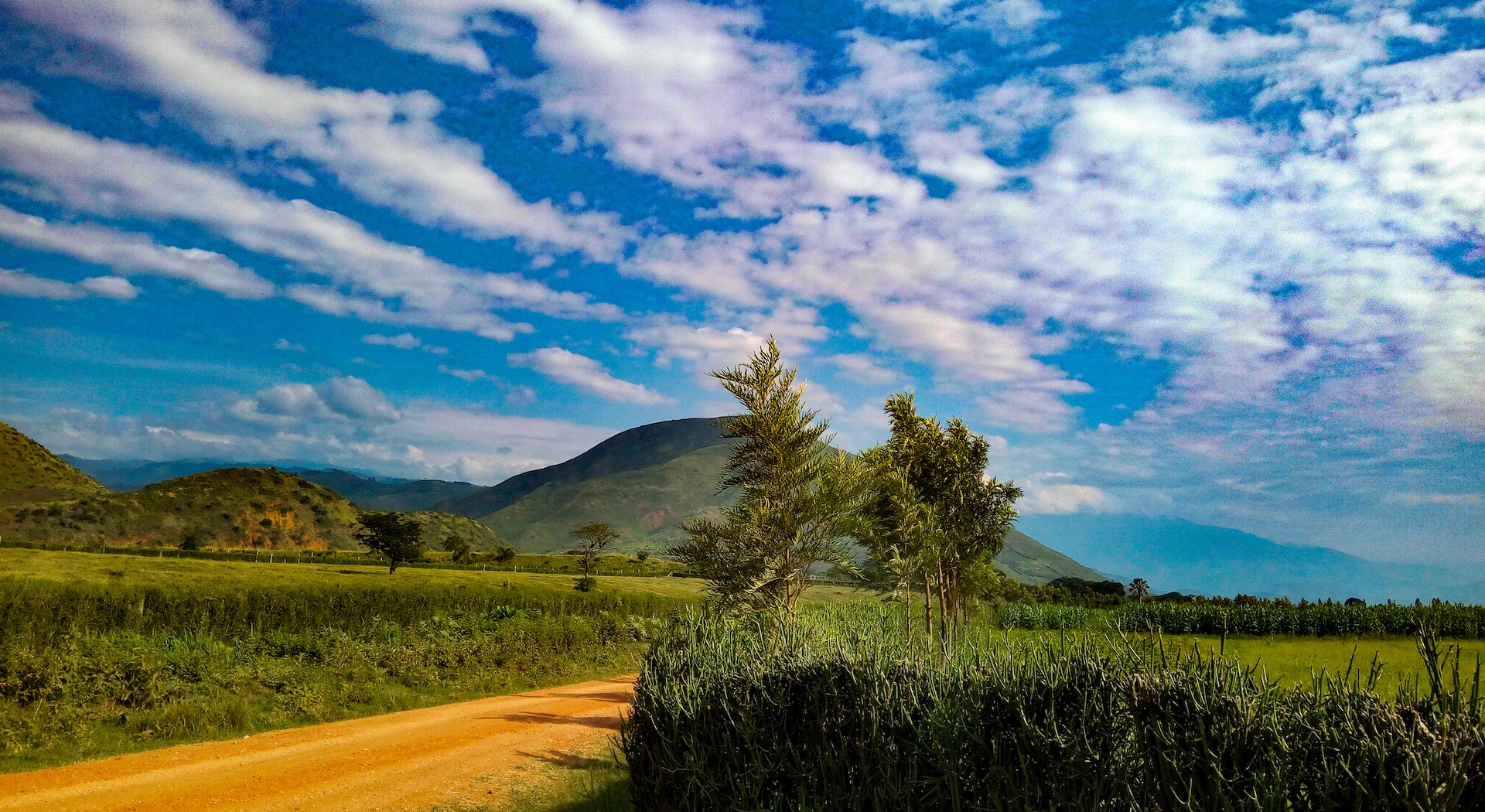
Uganda is a landlocked country in East Africa, touching Kenya to the east, Tanzania to the south, Rwanda to the southwest, the Democratic Republic of Congo to the west, and Southern Sudan to the north.
With its equatorial location, Uganda boasts diverse landscapes, from the snow-capped Rwenzori Mountains (Africa’s tallest range) to the shores of Lake Victoria, the largest lake in Africa (the biggest lake in Africa) found nowhere else in the entire world.
Home to over 1,000 bird types—that’s more than 11% of the world’s birds—and heaps of primates, it’s a nature lover’s dream.
The capital, Kampala, buzzes with vibrant markets and music, while the countryside stays wild and green.
Plus, with more than 65 tribes and 40 languages, the culture feels alive and varied everywhere you go.
This Uganda travel advisory will explore why Uganda is a top destination for African safari enthusiasts and nature lovers alike.
Why Visit Uganda, an African Travel Destination?
Uganda, the “Pearl of Africa,” blends thrilling wildlife with warm hospitality.
Home to over half the world’s mountain gorillas, it’s a gorilla trekking haven in misty Bwindi Impenetrable National Park.
This nation offers opportunities to explore diverse national parks like Queen Elizabeth National Park for lion safaris and Kidepo Valley National Park’s remote savannas, or marvel at Murchison Falls on the Victoria Nile during African safari holidays.
Its compact size packs a variety of attractions —from Rwenzori Mountains’ equatorial snow hikes to the roaring Murchison Falls on the Victoria Nile to the serene waters of Lake Albert to the remote Kidepo National Park in the north—without endless travel.
Affordable, uncrowded compared to Kenya or Rwanda, and year-round accessible, Uganda offers heart-pounding adventures like high-altitude hikes in Africa on the Mountains of the Moon and chill vibes that you can enjoy in just a few days.
Friendly locals greet with “Welcome!” in bustling Kampala or serene Lake Albert.
Whether you’re a first-time visitor or returning for more, this Uganda travel advisory will help you make the most of your safari holiday in Uganda.
Top National Parks in Uganda and Tourist Places to Visit on Safaris
Uganda’s national parks are the heart of any safari trip, each with its own flavor of animals and views. These are the best ones.
Queen Elizabeth National Park
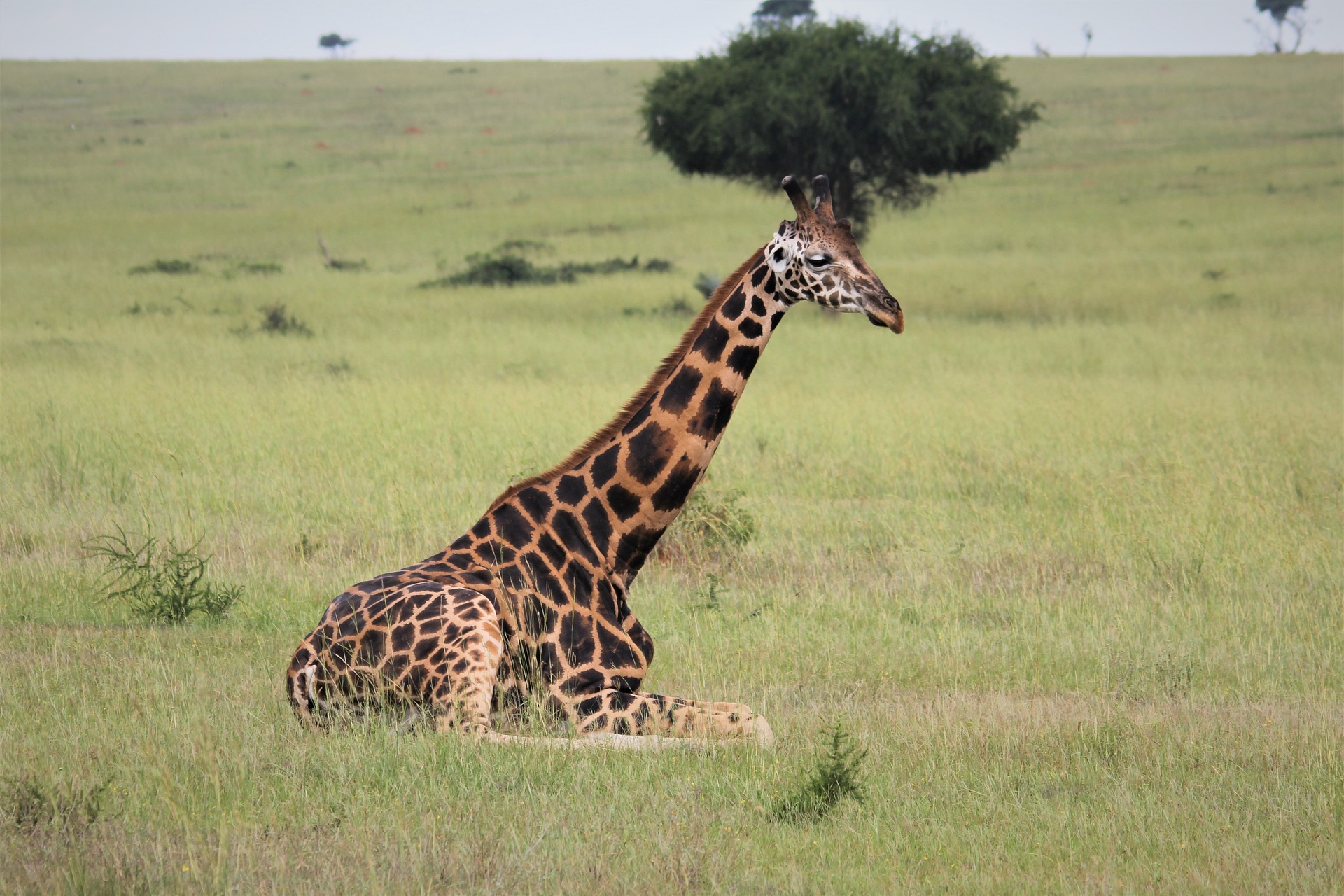
Queen Elizabeth National Park, in western Uganda, is famous for its diverse wildlife, including tree-climbing lions in the Ishasha sector, elephants, hippos, and over 600 bird species.
Game drives here offer classic African safari views, with boat cruises on the Kazinga Channel connecting Lake Edward and Lake George.
Kidepo Valley National Park
Kidepo Valley National Park, in remote northern Uganda (up north) near South Sudan, feels like the end of the world with its vast savannahs and highlands.
It’s home to cheetahs, ostriches, and lions roaming open plains under dramatic mountains, making it a top spot for an authentic African safari away from crowds.
Bwindi Impenetrable National Park
Bwindi Impenetrable National Park in the southwest protects 50% of the global mountain gorilla population in thick, misty woods—prime for those primate hunts during Uganda gorilla tours.
Gorilla trekking here involves hiking through dense Ugandan lush forests for up-close encounters with these gentle giants.
Uganda protects over half of the world’s mountain gorillas, shared with Rwanda and Congo.
Murchison Falls National Park
Murchison Falls National Park features the dramatic Murchison Falls, where the Nile River crashes through a narrow gap.
Boat trips on the Victoria Nile reveal crocodiles, elephants, and birds.
Kibale National Park
Kibale National Park hosts thousands of chimpanzees, making it the best for chimp tracking, our closest cousins sharing at least 98% DNA with humans, among other primates often spotted during Uganda chimpanzee tracking Tours.
Semliki National Park
Semliki National Park boasts over 430 bird species, many unique to the region in the steamy lowlands. Marvel at the beautiful Semliki’s hot springs that bubble up like nature’s kettles when visiting this park.
Rwenzori Mountain National Park
The Ruwenzori Mountains, Africa’s tallest range, host diverse wildlife and are a UNESCO site with glaciers and alpine lakes through zones from rainforest to alpine meadows.
OTHER TOURIST PLACES TO VISIT IN UGANDA
Beyond Uganda’s national parks, explore Jinja for Nile rafting, quad biking, and local eats; Kampala’s museums, cathedrals, nightlife, and Indian food stalls; serene Lake Bunyonyi for canoeing and birdwatching; Lake Mburo NP for Impala and zebra wildlife safaris; Mgahinga for mountain gorilla and golden monkey treks unique to Uganda and Rwanda.
Add Mount Elgon for hikes, Lake Victoria beaches and islands for relaxation, Sipi Falls, Ziwa Rhino Sanctuary for rhino tracking on foot, wildlife reserves, art galleries, cultural sites like Kasubi tombs, and lakes for a full Pearl of Africa adventure.
These wildlife safari parks, among other tourist spots, make Uganda a premier destination for wildlife and nature experiences.
Top Attractions to Marvel at During Uganda Safari Excursions
On a Uganda safari, these attractions and sights steal the show.
1) Mountain Gorillas in Uganda

Join Uganda gorilla trekking tours in Bwindi Impenetrable National Park or Mgahinga Gorilla National Park to see over half the world’s endangered mountain gorillas in southwestern Uganda’s lush, misty forests in their habituated gorilla families (25+) munch on bamboo in Mgahinga or Bwindi’s tangled green—a must see for any memorable African safari in this country.
2) Chimpanzees and Other Primates
Trek through Kibale Forest, Kyambura Gorge, Ngamba Island, Kalinzu, or Budongo for Uganda chimpanzee trekking safaris, spotting thousands of huge chimps swing through the canopy like acrobats, and other primates like golden monkeys, baboons, colobus, and vervet monkeys in vibrant Ugandan green forests.
3) Stunning Uganda Birds
Uganda, with 1,073 bird species flashing jewel colors—50% of Africa’s and 11% of the world’s, including the rare shoebill—is a birdwatching paradise. Explore Mabamba Swamp, Bigodi Wetland, Bwindi, Queen Elizabeth, and Lake Mburo on Uganda birding tours to see the various avians, including the Albertine Rift Endemics in this country.
4) Savannah Wildlife
Discover tree-climbing lions lounging in Queen Elizabeth’s golden grass at dawn, elephants, cape buffaloes, zebras, leopards, and giraffes in Murchison Falls, Queen’s, and Kidepo Valley National Parks during Uganda safari excursions for thrilling African wildlife encounters.
5) Valleys, Highlands, and Mountains
Hike the Ruwenzori Mountains, Africa’s tallest range, with equatorial snow, and Rwenzori’s jagged peaks rise like giants, draped in clouds and wildflowers, or Mount Elgon, Kigezi Highlands, Mount Moroto, and Mount Kadam for stunning views and unique wildlife on Uganda tours.
Also, you can watch the sun paint the Virunga volcanoes gold or explore the Kidepo’s red-earth valleys that stretch forever under endless skies in this country when on safaris in Uganda.
6) Lake Victoria and Other Beautiful Lakes
Lake Victoria, Africa’s largest lake, shared by Kenya and Tanzania, offers birdwatching, fishing, and calm boat rides past fishing villages near Kampala, making it a worthwhile tourist spot to visit and see during Uganda trips.
Alternatively, tourists can visit Lake Bunyonyi, L. Mutanda for relaxation, L. George to see elephants bathing, L. Albert with crocs in its reedy edges, and L. Mburo for serene water adventures in this beautiful country.
7) The Nile River and Beyond
Experience the Nile River in Jinja with white-water rafting, kayaking, bungee jumping, and Victoria Nile cruises. Also, take time to explore the White Nile and Semliki River, among other meandering rivers in the country, for fishing and scenic boat trips.
8) Murchison Falls and Other Cascading Waterfalls
Murchison Falls National Park stuns with the Victoria Nile’s dramatic “devil’s cauldron” plunge, where water roars like a beast, which forms the Murchison Falls, a major sight to behold while on safari holidays in Uganda.
Enjoy safari drives, boat safaris, and visits to Sipi, Itanda, Aruu, and Sezibwa Falls for cultural and scenic thrills.
9) The Equator in Uganda
Straddle the hemispheres at Kayabwe’s Uganda Equator for fun photos, souvenir shopping, and Coriolis effect demos, a quirky highlight of your Uganda safari tour.
10) Lush and Green Ugandan Forests
Bwindi Impenetrable, Mabira, Bugoma, and Budongo forests teem with primates, birds, and butterflies, perfect for guided nature walks during safaris in Uganda’s biodiversity hotspots.
11) Uganda Historical Sites
Explore Kasubi Tombs, Mengo Palace, and Fort Patiko to uncover Uganda’s royal history, independence struggles, and Ugandan local law during your visit to Uganda.
12) Uganda Religious Sites
Visit Namirembe and Rubaga Cathedrals, Gaddafi Mosque, and Bahá’í Temple, showcasing Uganda’s diverse faiths and stunning architecture for memorable Uganda holidays.
13) Amazing Museums in Uganda
The Uganda National Museum in Kampala and regional museums display artifacts, fossils, and post-colonial stories, enriching your travel to Uganda.
14) Uganda Cultural Sites
Dive into Ugandan culture at Ndere and Igongo Cultural Centres or local dance events in large towns and remote region tourist spots, creating lasting safari memories.
Plan your visit to Uganda today to experience these wonders firsthand as every drive or hike turns into a moving picture of Africa’s wild heart!
Adrenaline-Filled Safari Activities Done in Uganda During the Safari Tours
Uganda cranks up the excitement with activities that get your blood pumping amid stunning backdrops such as.
Uganda Gorilla Trekking and Habituation Experiences
Gorilla trekking tops the thrill list, letting you hike into Bwindi Impenetrable National Park or Mgahinga’s steamy forests for a magical hour with mountain gorillas—Uganda shelters over half the world’s 1,000 left.
Trails twist 2-6 hours through mud and roots, depending on where the habituated gorilla family roams, but the payoff is seeing dominant silverbacks chest-beating and babies tumbling like puppies.
Gorilla Habituation lets you linger four hours with semi-wild groups, watching daily life unfold.
Uganda Gorilla Permits run $800 for gorilla trekking and $1500 for habituation, cheaper in low seasons/wettest months like April, May, and November, giving leeway for partaking in this activity filled with pure adrenaline mixed with awe.
Chimpanzee Tracking and Habituation Experiences
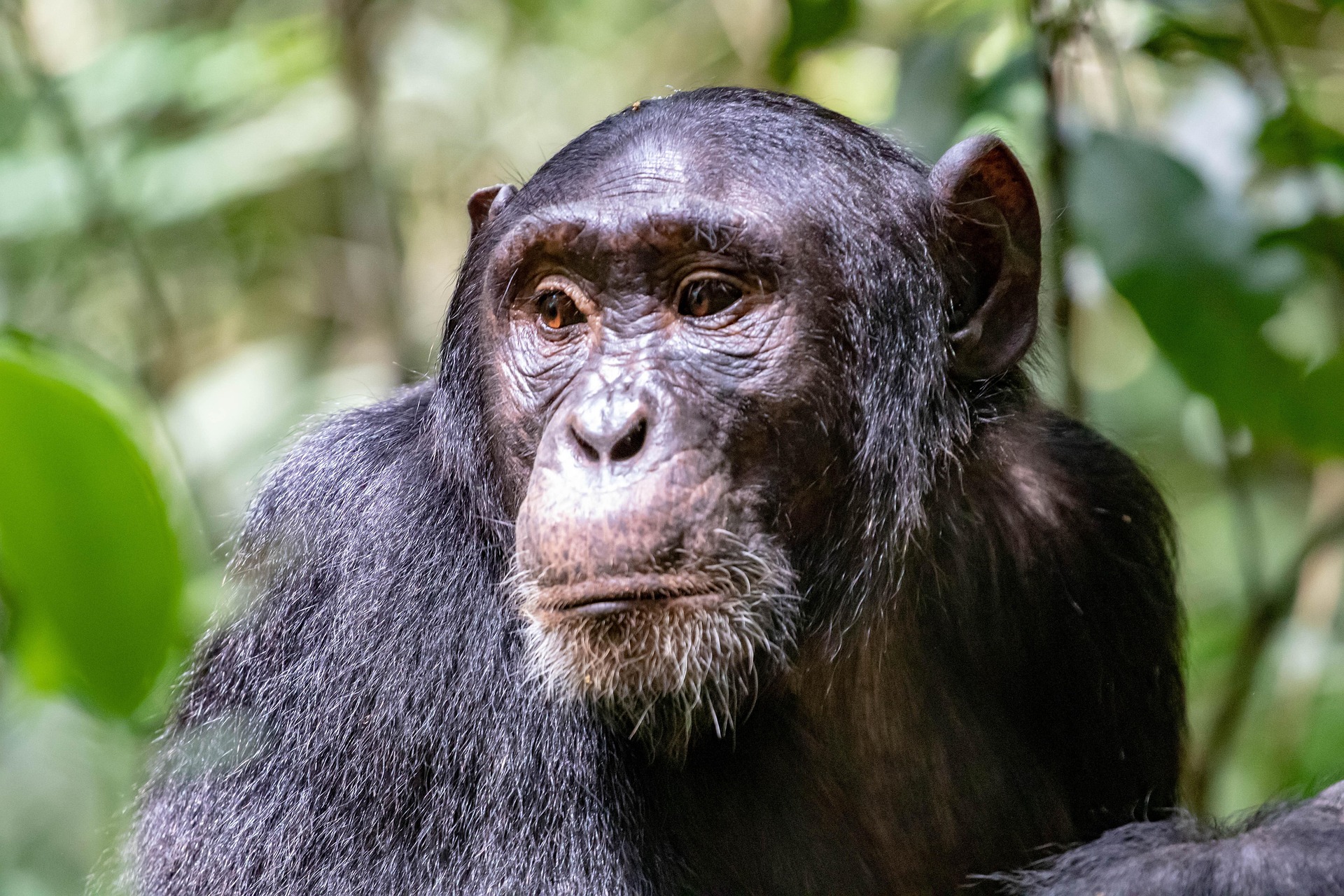
Chimpanzee tracking in Kibale National Park or Budongo Forest, among other spots, offers thrilling encounters with our closest relatives through shady undergrowth, hearing hoots before spotting them swinging through branches during safaris.
Uganda hosts over 5,000 chimpanzees, with Kibale alone having 1,500, making it the primate capital of the world.
Hikes last 2-5 hours, ending in an hour of observation as they groom and snack.
Chimpanzee Habituation, on the other hand, dives deeper, shadowing researchers for four hours to see tool-use and social drama. It’s less grueling than gorillas but just as electric.
These adventures support conservation efforts in Ugandan forests.
Golden Monkey Tracking and Habituation Tours
For a lighter primate rush, golden monkey tracking in Mgahinga Gorilla National Park in southwestern Uganda follows vibrant troops—orange-gold fur flashing through bamboo groves.
These rare beauties, with just 3,000-4,000 left worldwide, leap in groups of 100, munching bamboo shoots and playing tag.
Hikes are shorter, 1-2 hours, for an hour of watching their antics.
Golden Monkey Habituation tours stretch to four hours with experts, uncovering their shy world in the Virungas.
Permits for tracking cost $60 and for habituation $100, making it an affordable add-on to Uganda gorilla safari days.
Exploring the Nile River and Lake Victoria
The Nile’s source near Jinja, starting from Lake Victoria, is central to Uganda’s adventures, delivering heart-racing white water rafting on frothy rapids, grades for all levels, with excursions including ten rapids, with bird dives adding surprise splashes.
Boat safaris in Murchison Falls National Park move past elephants and crocs on the Victoria Nile’s calm stretches.
Lake Victoria, Africa’s giant shared with Kenya and Tanzania, provides boating and fishing ops for monster Nile perch or sunset cruises amid islands and reed beds.
These water worlds mix speed, serenity, and wildlife spots that leave you buzzing amid a relaxing contrast to intense gorilla trekking or safaris in Uganda safari parks.
Local Insights and Cultural Experiences in Uganda
Uganda’s soul and culture shine through its 65 distinct tribal groups and more than 40 recognized languages, with English and Swahili as official languages.
From Batwa forest dwellers representing traditional forest life in Uganda sharing pygmy tales to Karamojong herders in colorful beads, to the hill cultivators like Bakiga, traditional customs vary significantly across regions.
Kampala’s Ndere Centre pulses with traditional dances, dressing, and drums reflecting regional rhythms. Religious inclusivity is evident, with mosques, cathedrals, and temples coexisting.
Village walks reveal cooking methods like matoke (steamed bananas) steaming over fires, art and craft stalls buzzing with young craft makers, highlighting local youth creativity.
Greetings like “mzungu” for foreigners, showcasing hospitality from kids, spark laughs, while Batwa show honor to old ways, ethically.
It’s warm hospitality wrapped in diversity—meal shares, story swaps, and smiles that make safaris feel like homecomings.
These ethical tours allow interactions without exploitation.
Adventure Activities in Uganda: Beyond Safaris

Beyond parks, Uganda offers a variety of adventure activities such as hiking in the Rwenzori Mountains, Uganda’s most alluring destination, which features trails through Afromontane forests, bamboo zones, and to Margherita Peak at 5,109m, where hikers experience breathtaking scenery with vegetation changes.
Alternatively, you can consider taking on White water rafting near Jinja, which is popular, with rapids for all levels.
Or, you can brave it out with volcano climbs in the Virungas for misty rims, or cave crawls in Ssese Islands, revealing bat-filled caving depths.
Birdwatching is another of the adventurous activities that thrive at Ramsar sites, with Uganda’s 1,000+ bird species.
Sipi Falls offers day hikes with views and local culture. Lake Victoria boating and fishing add water-based fun.
Kayaking on Lake Bunyonyi waters as you witness terraced hills, and paragliding over Elizabeth National Park in southwestern Uganda as you watch lion prides from above should not be missed.
These edge-of-your-seat extras turn Uganda safari trips into legends, blending Uganda’s wild edges with personal thrills.
Savoring Food in Uganda
Local food in Uganda is hearty and flavorful, fueling culinary adventures. Matoke (steamed bananas), posho (maize porridge), rice, chapati, and beans are staples, often with groundnut sauce.
In cities like Kampala and Jinja, find Indian delicacies and international options from colonial days.
More traditional and street foods like the chapati flatbreads rolled with eggs (Rolex street special) at $1, and rice alongside beans or fish from the lakes are also common, while fresh fruits burst with tropical sweetness.
Drink bottled water, skip ice, avoid tap or rain water in remote spots in northern or western Uganda, and share meals family-style—it’s how locals bond over flavors that taste like the land.
Travel to Uganda and enjoy all these firsthand for lasting memories!
Best Time to Visit Uganda
Uganda’s weather swings with its tourist spots, but dry months/ dry season from December to February or June to August rule for easy travel and the best time to visit Uganda.
June to August and December to February bring sunny skies and low rain, optimal conditions for gorilla trekking, game drives, and hiking in safari parks like Elizabeth NP or Kidepo Valley National Park.
Temperatures average around 78°F, with warmer days in the mid-80s°F and cooler nights in the 60s°F, dropping to the 50s°F in mountainous regions like the Rwenzori Mountains.
Wildlife clusters at water holes, making spots like Elizabeth National Park in southwestern Uganda popular.
March to May is the rainy season in Uganda, with serious showers making roads slippery and some outdoor activities challenging. September to November also sees rain showers, but it’s manageable with an umbrella/rain poncho.
However, it is worth noting that the rainy season, which is a major consideration when planning travel to Uganda, offers lush landscapes and fewer crowds, potentially lowering costs for gorilla tracking permits.
In this Uganda travel advisory, we note that the best time to visit Uganda aligns with your interests, i.e., for wildlife viewing in wildlife safari parks, the dry season is ideal as animals gather around water sources, and for migrant birds, the wet season is perfect.
Year-round, Uganda’s equatorial climate keeps things temperate, but pack a warm jacket for evenings at higher altitudes above sea level.
World-Class Safari Accommodations in Uganda
Accommodations range from luxury lodges in safari parks to tented camps that fit every wallet. Such as.
1) Tented Camps under stars in Kidepo ($100/night)
2) Eco-lodges in Bwindi’s Forest edge and near gorilla trekking trails, like Sanctuary Gorilla Forest ($400+), Buhoma Lodge, etc.
3) In Queens Elizabeth NP, stay at safari lodges with views of the hippo pools with game-view decks.
4) Kampala hotels blend modern buzz and craft vibes, plus they accept credit cards ($150).
5) Campsites in Murchison offer basic safari bliss at $50+
6) Guesthouses near Lake Victoria run cozy stays at ~ $80+ with lake breezes.
7) Luxury spots like Mihingo in Lake Mburo pamper with private pools ($800).
Please note that many of these include meals, blending comfort with wild proximity, so book ahead to avoid missing out on comfortable accommodation during the peak season.
Transportation and Logistics in Uganda
Getting To Uganda
Fly into Entebbe International Airport, 40km from Kampala—direct from Europe, US hubs via Dubai, or regional hubs from Nairobi. Taxis or shuttles reach Kampala city ($30-50) from the airport, and the Uganda e-visa ensures that your entry into the nation is smooth.
Getting Around Uganda
Buses link major towns safely but slowly; matatus (minivans) cater for shorter trips cheaply.
For Uganda safaris, 4×4 safari vehicles with drivers ($150/day) tackle rough roads best to the wildlife destinations.
Domestic flights shave hours to remote parks like Kidepo ($200), so inquire and book in advance through your tour operator like.
- Prime Safaris and Tours Ltd
- Wild Gorilla Safaris
- Safari Uganda Safaris
- Gorilla Safaris and Tours
- A Uganda Safari
- Africa Safaris Tours
- Uganda Birding Safaris
- Gorilla Trekking Uganda
- Kampala City Tour
- Self-Drive Car Hire Rentals Uganda
- Car Hire Rentals Uganda Kampala
Drive the left side if using self-driving rental cars (these suit pros only)—roads mix paved and potholed in the country.
Uganda’s currency, the Ugandan shilling, is used everywhere, but carry cash, especially if heading to remote spots. ATMs are in cities, but plan ahead.
Average Prices to Incur on Uganda Travels
When traveling to Uganda, be aware of costings and plan for some of these costs in advance.
- Gorilla trekking Permit: $800 per person permit from UWA
- Chimpanzee Trekking Permits: $250
- Golden monkey Permit: $60.
- Budget camps: $50-100/night
- Mid-range lodges: $300-550
- Luxury Lodges: $800+
- Transport: $150/day shared
- A 3-day gorilla trek: $1,300-$3,900/person
- Full 10-day safari with chimps and parks: $4,800-$6,400.
- Total 5-day mid-range: $2,400/person.
- Shoulder seasons trim 20%
Liaise with your safari tour agent for the most correct quotes!
Planning Your Trip to Uganda: Essential Travel Tips
Permit Information and Entry Requirements
First, check entry requirements—most nationalities, including US citizens, need an e-visa: apply online 5+ days pre-trip via Uganda’s website, $50 for a valid 90-day standard single entry.
Valid passport (6 months beyond stay). Upload yellow fever proof digitally.
And if intending to extend your safari trip to other East African countries, an East African permit is best ($100) as it covers Uganda, Kenya, and Rwanda for multi-hops.
Visas on arrival are still available at Entebbe Airport, Uganda’s main gateway, though it is quite risky as airlines check entry permit first.
Health And Vaccination Requirements
The yellow fever vaccine is mandatory for all 1+ years entering Uganda—get vaccinated 10 days prior to your entry and carry the vaccination card.
CDC recommends Hep A/B, typhoid, rabies, polio boosters; malaria pills for all going for African safaris, plus routine shots for MMR, flu.
Tap water in larger towns is reasonably safe to drink in Uganda, but bottled mineral water is widely available and recommended to avoid any issues, plus, remember to avoid raw foods.
Private clinics and hospitals are inexpensive and widely accessible in major areas in Uganda.
Safety And Security in The Country
In this Uganda travel advisory, we address common concerns: the vast majority of visits are trouble-free, but like any destination, awareness is key.
Kampala has risks of drive-by theft, especially in high-traffic areas where motorbike thieves might snatch bags. Be vigilant in cities and avoid displaying valuables.
Terrorist attacks are rare, but travelers should stay informed via country information from their government.
Demonstrations and protests are possible pre-2026 elections, so stay clear of them.
Uganda wildlife safari Parks are secure with rangers; no recent tourist attacks have been recorded.
In remote spots near borders with South Sudan or the Democratic Republic of Congo, extra caution is advised due to occasional instability.
Overall, with common-sense precautions, visiting Uganda is rewarding and secure.
Public Transportation and Road Conditions
Confirm all travel arrangements before departure, as changes can occur.
For those with mobility issues, note that Ugandan roads can be challenging, but wheelchair-accessible gorilla trekking is possible in some Bwindi gorilla tracking sectors and in the surrounding lodging areas.
Public transport as the main means of transport include buses and minibus taxis (matatus), with buses being generally safer.
Driving in Uganda is on the left side of the road, but self-driving requires caution due to road conditions.
Local Laws to Abide By
Ugandan law prohibits homosexual activity, with potential for life imprisonment, so LGBTQ+ visitors should exercise discretion and check Uganda’s anti-LBGTQ+ laws.
Illegal drugs are unacceptable and could lead to harsh penalties.
Dress modestly in rural areas/public spaces to avoid being shunned and disrespected.
Photography permits are needed for officials/parks, and permission must be obtained if taking pictures of people.
Bribery is illegal—report issues to local police.
Local Culture to Respect
Greeting warmly is an attribute of the Ugandans; saying “tusanyuse okulaba,” which means ‘welcome’ or “mzungu” meaning ‘white man’ from kids, is friendly.
Remove shoes when entering homes; use your right hand for eating/passing greetings.
Tribes vary, so ask before taking photos. Hospitality is huge with meal sharing common, and remember to tip guides.
Female travelers generally feel safe, but dressing conservatively reduces unwanted attention.
Travel Insurance
This Uganda travel guide suggests getting travel insurance that covers medical emergencies, includes adventure add-ons for treks/rafting, medical evacuations, and trip cancellations, as it’s strongly recommended for any African safari travel.
Uganda Languages
Over 40 languages are spoken, with English being the official language, Luganda in Kampala, and Swahili being common —guides bridge gaps.
Ugandan Money | Uganda Currency
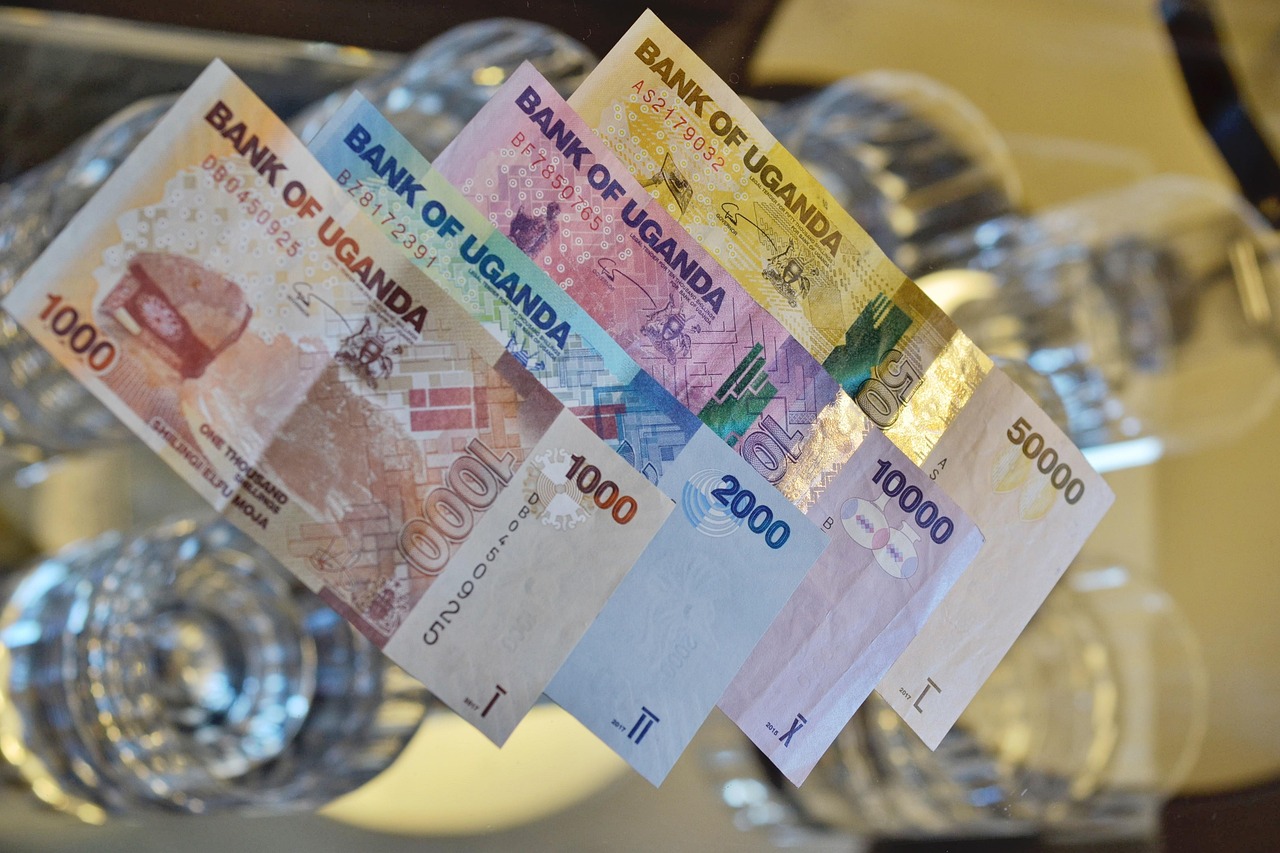
The Ugandan shilling is the official currency, with $1=~3,700, but cash is preferred for transactions, with many tourist places accepting US dollars, euros, or British pounds.
ATMs are available in most cities and large towns in Uganda, but they can run out of cash, so travelers are advised to carry sufficient cash, especially in remote areas.
Cash is more accepted everywhere in Uganda, while Credit cards are accepted at big hotels and large restaurants, with Visa being more common.
Tipping Culture
- Guides/drivers: $10-20/day
- Porters: $5/bag
- Restaurant: 10-15%
Not mandatory, but appreciated for good service.
Sustainable Tourism Practices
- Stick to designated trails and leave no plastics in the safari parks.
- Book safaris through local and ethical Uganda tour operators to fund conservation.
- Limit tracking groups to 6-8 to minimize impact on animals like the gorillas and chimpanzees
- Support local communities via purchases of traditional crafts and community visits.
Packing List for Uganda Safaris
When journeying to Uganda, pack wisely. Uganda uses plug type G, similar to the UK, Ireland, Singapore, and Malaysia. Bring adapters if needed.
Also carry Sturdy boots, a rain jacket, long sleeves/pants (for stinging bugs/sun), binoculars, a hat, sunscreen, a flashlight, a reusable drinking water bottle, meds (malaria/antacids), a power bank, etc.
Time Zone
EAT (UTC+3), no daylight savings. However, it is important to remember to embrace “Africa time” as delays happen, so build options even when you hope to journey to other African countries.
Guidelines In Tourist Places to Abide By
- Stay quiet in forests so as not to scare the wild animals
- Follow the Rangers attentively
- Leave no trace of litter, especially eatery wraps and human waste.
- Age 15+ for gorilla treks is required
- Porters are optional ($10-15).
- Respect wildlife: stay 7m from gorillas, no flash photos, and no eating near them.
- Support locals via ethical cultural tours.
- Carry cash for rural spots
- Download offline maps.
- Hydrate and apply bug spray to avoid mosquito bites that cause malaria.
- Chat with guides for insider gems.
Travel Guide to Uganda: Commonly Asked Questions
Is It Safe to Travel to Uganda Right Now?
Yes, Uganda is considered one of the safest countries for travelers in Africa, with a stable environment since the 1980s, with warm, friendly, and hospitable people. As of the current date in 2025, yes, but check for security updates on potential changes.
How Many Days Should I Spend in Uganda?
This Uganda travel guide recommends at least 10-14 days to cover highlights like gorilla trekking, safari parks, and the River Nile.
For a shorter visit to Uganda, focus on southwestern Uganda for mountain gorillas in Bwindi Impenetrable National Park and a safari in Elizabeth NP.
For longer trips, include northern Uganda’s Kidepo Valley National Park or hiking in the Rwenzori Mountains.
Can US Citizens Travel to Uganda Without a Permit?
No, but you can apply for an e-visa online at least five working days before your travel. The standard single-entry permit costs US$50 and is valid for 90 days. Visas on arrival are still available at Entebbe Airport, Uganda’s main gateway.
Conclusion
Peruse through this Uganda travel guide to understand what you need for travels to the Pearl of Africa, whether gorilla trekking, exploring the Nile River, or relaxing by Lake Victoria, Uganda promises memories for life.
Reach out to us now and let us plan your Uganda tours for you to create lasting memories in the Pearl of Africa!