Below, I’ve pulled together the main attractions—wildlife, landscapes, culture, food, and practical tips—so you can plan a trip that fits your style.
Wildlife in Uganda
Wildlife is one of Uganda’s biggest reasons to visit. Between the national parks and community sanctuaries, you can see everything from great apes to big cats—often in the same trip.
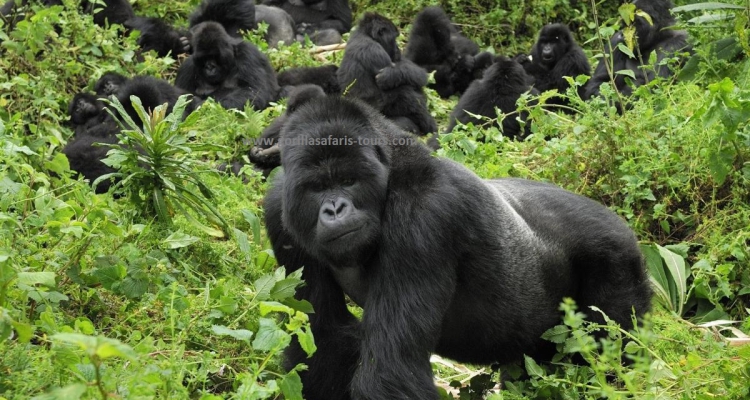
Great apes (gorillas in Bwindi & chimps in Kibale)

Uganda is one of the few places where seeing great apes in the wild is genuinely achievable. The country protects a large share of the world’s remaining mountain gorillas and has strong chimpanzee populations in several forests.
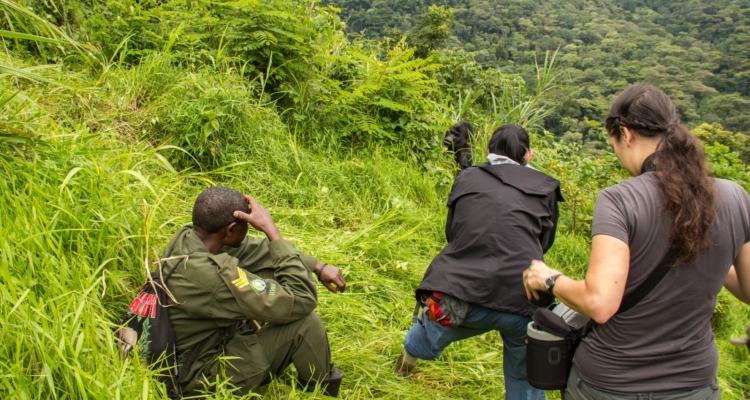
Bwindi Impenetrable National Park: A UNESCO World Heritage Site with more than 400 mountain gorillas and multiple trekking sectors. On a standard trek, you spend one hour with a habituated gorilla family, accompanied by trained guides and rangers. Gorilla permits are listed at 24800 and are usually worth booking well ahead of time.
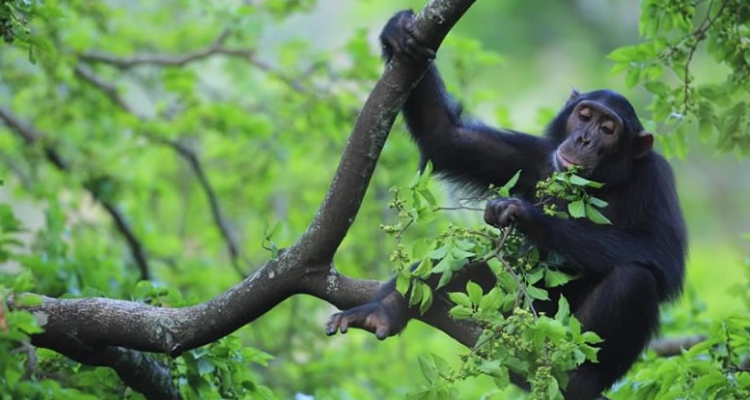
Kibale National Park: Often called the “primate capital,” Kibale is best known for chimpanzee trekking, and you may also see monkeys like red colobus and L’Hoest’s. The park is estimated to have 1,500+ chimpanzees. Chimp permits are commonly around 24250 (prices can vary by season and location).
Mgahinga Gorilla National Park: Small but spectacular, Mgahinga sits in the Virunga Mountains and is also known for golden monkeys and volcano hikes. With a permit, you can trek to see the Nyakagezi gorilla family, with sweeping views across the volcanic landscape.
Big cats (Queen Elizabeth, Murchison Falls & Kidepo)
If you’re hoping to see predators, Uganda’s savannah parks deliver. Sightings are never guaranteed, but game drives here regularly turn up lions, leopards, and hyenas—and in a few areas, cheetahs too.
Queen Elizabeth National Park: The Ishasha sector is famous for its tree-climbing lions. You may also spot leopards and hyenas, especially on early-morning or late-afternoon drives.
Murchison Falls National Park: Lions and leopards live in the park, and pairing game drives with a Nile boat cruise gives you a great mix of predators and river wildlife like hippos and crocodiles.
Kidepo Valley National Park: Remote and beautifully rugged, Kidepo is one of the best places in Uganda to look for lions, cheetahs, and spotted hyenas, with wide-open views that make game drives feel wild and uncrowded.
Herbivores (Lake Mburo, Murchison & Queen Elizabeth)
Alongside the predators, Uganda has plenty of classic safari animals—zebra, antelope, buffalo, elephants, and giraffes—often seen grazing near water.
Lake Mburo National Park: A great place for zebra, impala, and eland. It’s also one of the best parks for a walking safari, so you can experience wildlife on foot with a ranger.
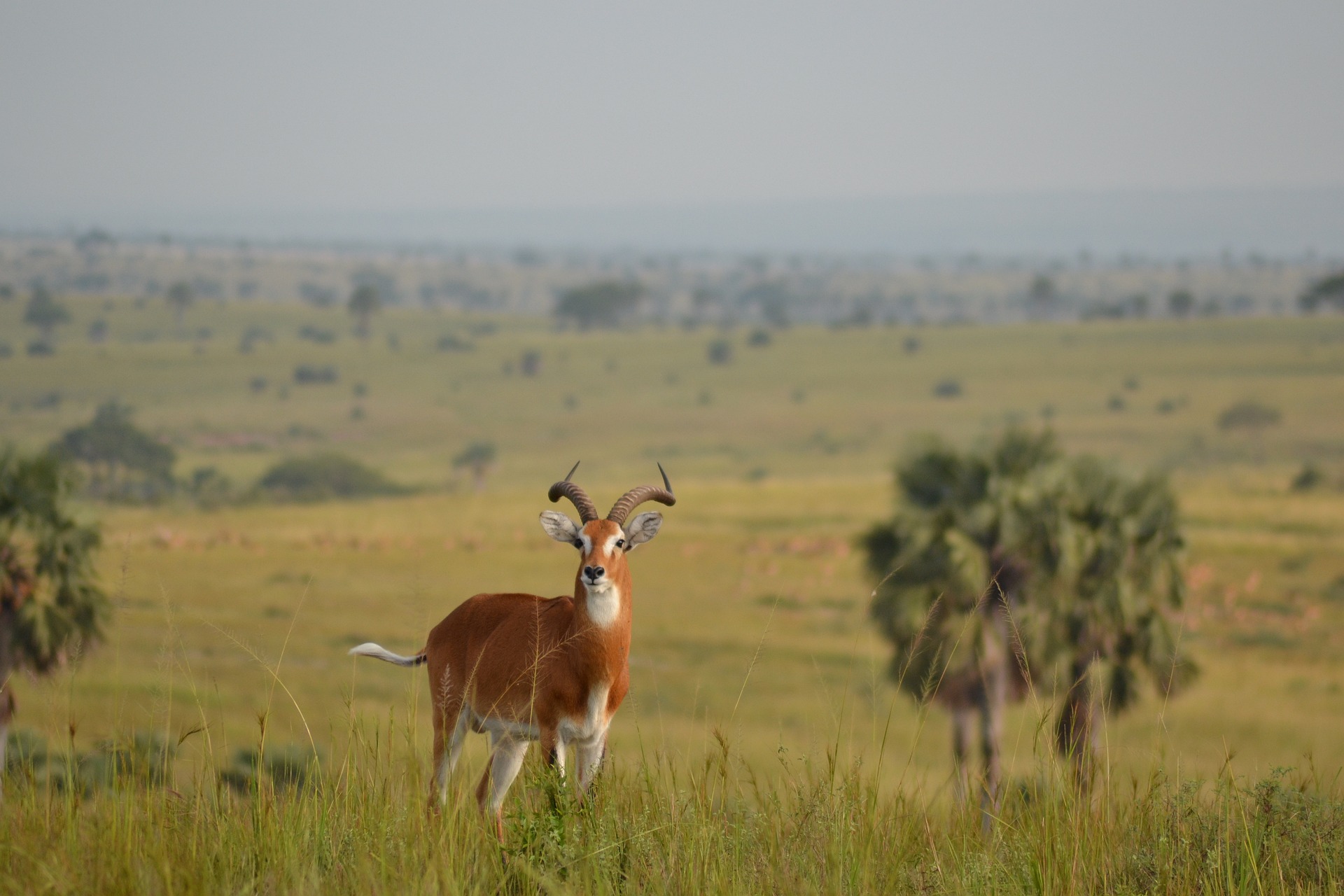
Murchison Falls National Park: Look out for giraffes, elephants, and Uganda kob, especially on the northern bank where game drives are most common.
Queen Elizabeth National Park: Buffalo, waterbuck, and topi are regular sightings. A boat trip on the Kazinga Channel is an easy way to see hippos and elephants up close.
Birdlife
Uganda is outstanding for birding, with 1,073+ recorded species—an impressive slice of global bird diversity.
Albertine Rift endemics: Forests in the west, including Bwindi and Kibale, are home to sought-after species like the African green broadbill, green-breasted pitta, Rwenzori turaco, and short-tailed warbler.
Shoebill: Your best chances are usually on a canoe trip in Mabamba Swamp or around the wetlands of Lake Victoria.
Forest specialists: Kibale Forest and nearby Bigodi Wetlands are excellent with a guide, especially for turacos and hornbills.
More great birding spots:
Queen Elizabeth National Park: 600+ species, including African fish eagles and martial eagles—boat cruises on the Kazinga Channel are especially productive.
Murchison Falls: A Nile boat trip often brings you close to waterbirds like African darters and the impressive Goliath heron.
Entebbe Botanical Gardens: One of the easiest places to birdwatch near town—keep an eye out for the black-and-white casqued hornbill.
Reptiles
Uganda’s rivers and wetlands are great places to spot reptiles, especially on boat trips.
The best-known is the Nile crocodile, commonly seen in Murchison Falls and Queen Elizabeth National Park along the Nile and the Kazinga Channel.
If you’re near Entebbe, the Uganda Reptile Village is a simple stop to learn about snakes, chameleons, and monitor lizards. Monitor lizards also sometimes appear during canoe trips in Mabamba Swamp.
Other mammals
Beyond the Big Five (lion, leopard, elephant, rhino, and buffalo), Uganda has plenty of other mammals that make safaris exciting.
Ziwa Rhino Sanctuary: The only place in Uganda where you can track white rhinos on foot with a ranger.
Murchison Falls & Queen Elizabeth: Keep an eye out for warthogs, bush pigs, and (if you’re lucky) the rare giant forest hog.
Kidepo Valley: The park’s species mix is a little different—ostriches are common, and aardvarks are sometimes seen at night.
Other primates
Uganda is a primate hotspot, with many monkey species alongside gorillas and chimpanzees.
Depending on where you go, you might see golden monkeys in Mgahinga, black-and-white colobus and red-tailed monkeys in Kibale, or blue monkeys in Budongo Forest near Murchison Falls.
Ngamba Island Chimpanzee Sanctuary: On Lake Victoria, this sanctuary cares for rescued chimpanzees.
You can visit on a day trip, and some programs offer longer stays for people who want to learn more about the care and conservation work.
Diverse flora and landscapes
Uganda’s scenery is incredibly green and diverse, ranging from steamy tropical forests to hardy plants that grow high in the mountains.
Bwindi Impenetrable Forest: Thick Afro-montane rainforest filled with giant ferns, mosses, and orchids.
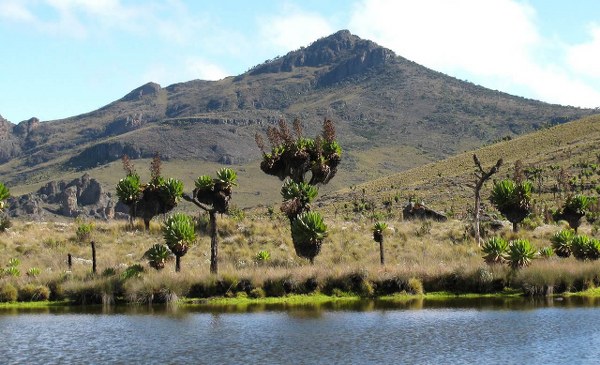
Mount Elgon National Park: High, open moorland where you’ll spot giant lobelias and groundsels that look almost otherworldly.
Mabira Forest: A lowland rainforest not far from Jinja, known for towering hardwood trees and clouds of colorful butterflies.
Coffee and tea plantations: Take a walk through Arabica coffee farms near Sipi Falls, or visit the tea estates around Fort Portal and Kibale for beautiful views and a taste of local life.
The people of Uganda
One of the things people remember most about Uganda is the welcome. The country is home to many different cultures and languages, and visitors often find it easy to strike up conversations—especially since English is widely spoken.
Batwa (Bwindi and Mgahinga area)
The Batwa are an indigenous community in western Uganda with deep historical ties to the forests around Bwindi and Mgahinga. If you choose to join a community-led cultural experience, you may hear traditional songs and stories, see dance performances, and learn how forest life shaped everyday skills and traditions over generations.
Ik (near Kidepo Valley)
The Ik live in the far northeast of Uganda, not far from Kidepo Valley. Because the area is remote, a visit (when arranged responsibly) can feel very different from the usual safari route—more focused on meeting people, hearing local stories, and understanding daily life in the mountains.
Wherever you travel in Uganda, you’ll come across different communities with their own history, food, music, and customs. In the central region you might meet the Baganda of the Buganda Kingdom; in the northeast, the Karamojong are known for their pastoral lifestyle and beadwork; and in the east, the Bagisu are well known for the Imbalu initiation ceremonies.
Weather and climate
Uganda has a generally mild, comfortable climate for travel. Thanks to its elevation and varied landscapes, daytime temperatures often sit around 242430b0C.
There are two wetter periods—March to May and October to November—which keep the countryside lush and green (especially compared with drier safari regions elsewhere in East Africa).
For easier driving and drier trails, many people prefer June to September and December to February, though quick showers can still happen.
Lakes, rivers, and wetlands
Water is a big part of Uganda’s scenery—lakes, rivers, and wetlands shape everything from wildlife habitats to weekend beach escapes.
Lake Victoria
Africa’s largest lake has white-sand beaches and great birdwatching. The Ssese Islands — an 84-island archipelago on Lake Victoria — are a peaceful escape with clean shores and warm, shallow water.
River Nile (Jinja)
The source of the Nile in Jinja is both historic and full of adventure. Try white-water rafting, kayaking, bungee jumping, or a boat trip to the Speke Monument, where explorer John Speke identified the Nile’s source.
Lake Bunyonyi
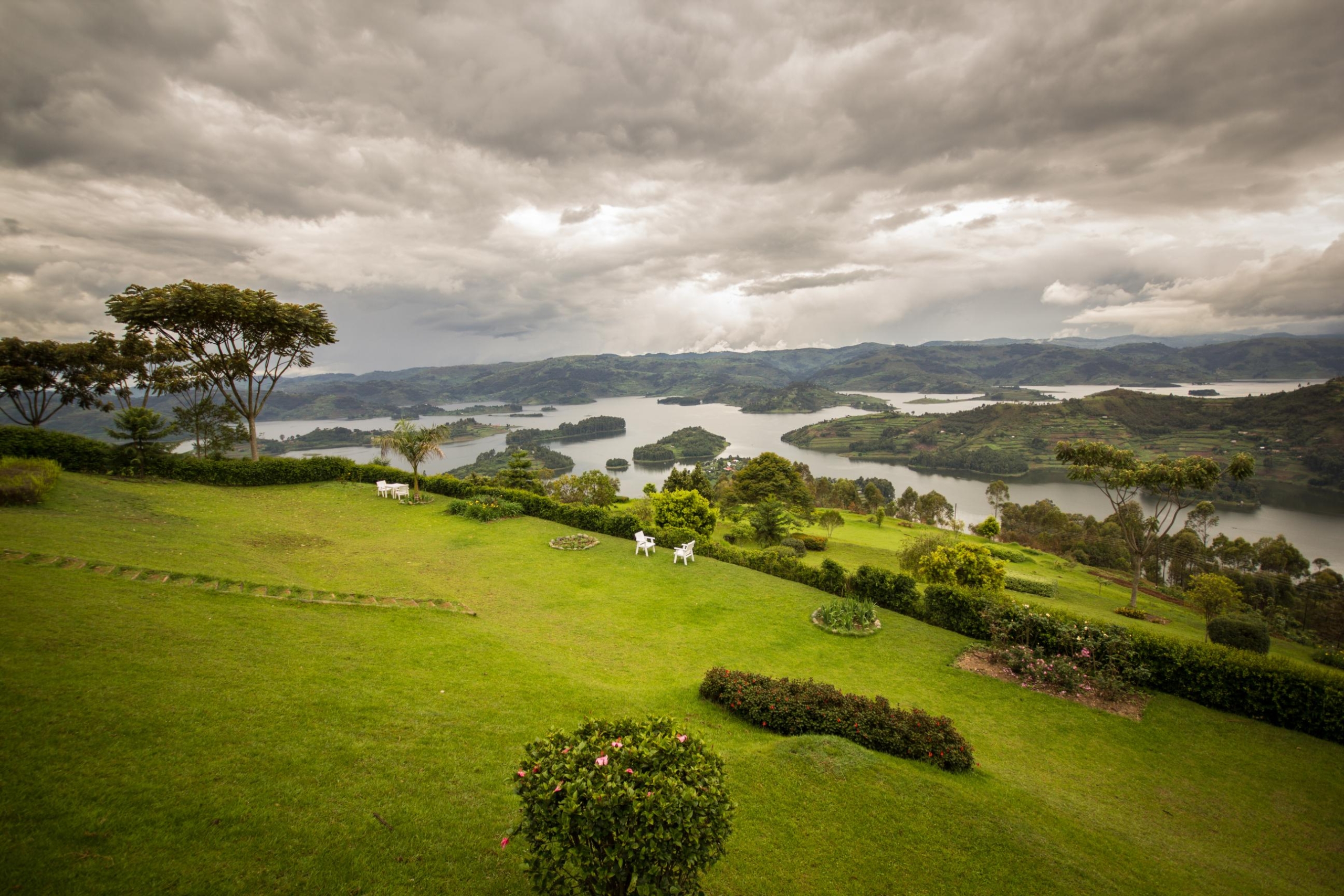
Thought to be Africa’s second-deepest lake at around 900 meters, Lake Bunyonyi in southwestern Uganda is gorgeous. Its 29 islands, terraced hills, and calm waters are perfect for canoeing, swimming, and staying in eco-lodges — popular with travelers.
Crater Lakes in Uganda
Formed by past volcanic eruptions, the Kasenda Crater Lakes — like Nkuruba, Nyinambuga, and Kifuruka — near Fort Portal are hidden gems. The sulfur scent, views, and cultural stories make them great for photos and hikes.
Other Waterbodies
- Lakes Albert, Kyoga, Edward, Kwania, and George: Support fishing communities and wildlife like hippos and crocodiles.
- Lake Mutanda: Near Bwindi, culturally important to the Abagesera clan.
- Mabamba and Bigodi Wetlands: Top spots for shoebills and other waterbirds.
- Lake Katwe: Near Queen Elizabeth National Park, known for traditional salt mining that’s been going on for centuries.
Mountains and hiking
If you like hiking, Uganda has everything from straightforward day walks to serious multi-day mountain treks.
Rwenzori Mountains (Mountains of the Moon)
The Rwenzoris have Africa’s third-highest peak, Margherita Peak at 5,109m, inside Rwenzori Mountains National Park. Multi-day treks pass through Afro-alpine moorland, glaciers, and lush valleys.
Virunga Volcanoes
In Mgahinga Gorilla National Park, the Virungas include Muhabura (4,127m) — “The Guide”, Mount Gahinga (3,474m), and Mount Sabyinyo (3,366m) — “Old Man’s Teeth”. Hiking here means amazing views plus gorilla and golden monkey trekking.
Other Highlands and Mountains
Mount Elgon: An extinct volcano on the Kenya border at 4,321 meters, with the world’s largest mountain caldera. Hikes are accessible and include cave exploration.
Moroto and Kadam: In northeastern Uganda, these peaks offer off-the-beaten-path trekking and cultural visits with the Karamojong, guided by locals who know the land.
Mount Morungole, etc.
Forests, coffee, and tea
Between the rainforests and the farmed hillsides, Uganda is a beautiful country to explore slowly—on foot, by boat, and along back roads.
Mabira Forest: Try Uganda’s first zipline, 40 meters high, through a 300 km² rainforest with 300 bird species, 100 butterflies, and monkeys.
Budongo Forest: Part of Murchison NP, excellent for chimp tracking and birding.
Semliki National Park: A steamy lowland rainforest with strong Congo Basin influences, packed with birds, butterflies, and unique forest wildlife.
Coffee and tea farms: Join a farm tour near Sipi Falls or visit tea plantations around Fort Portal and Kibale to see how Uganda’s coffee and tea are grown and processed.
Kampala nightlife
Kampala, Uganda’s capital, has a fun energy after dark—something many visitors enjoy, especially after a day on safari.
Nightlife: Head to areas like Kabalagala or Kololo for bars and clubs with live music, reggae, and plenty of dancing.
Cultural events: For traditional music and dance, places like the Ndere Cultural Centre put on great evening shows.
Markets: If you’re up for it, explore bustling markets like Owino for street food and locally made crafts.
Food to try in Uganda
Food is a big part of travel in Uganda. Whether you eat at a roadside stop or a city restaurant, you’ll notice how much bananas, greens, groundnuts, and fresh produce show up on the plate.
Luwombo: Meat or chicken steamed in banana leaves (often with a rich, savory sauce).
Eshabwe: A creamy ghee-based sauce from western Uganda, commonly served with staples like matooke.
Rolex: A favorite street food—an omelet with vegetables rolled up in chapati.
Fresh fruit: Mangoes, pineapples, and bananas are widely available and especially good in season.
Coffee: Uganda grows excellent Arabica and Robusta—try a cup if you visit coffee regions like the Mount Elgon area.
The equator
Crossing the equator is a classic Uganda road-trip moment. Most people stop at the Equator Monument in Kayabwe for photos and a quick break.
You’ll also see simple demonstrations that explain how water drains on different sides of the line—more of a fun explanation than a science lab, but still enjoyable.
More places to add to your itinerary
Gaddafi National Mosque: A striking Kampala landmark blending Arab, European, and African design, with amazing views from the minaret.
Baha’i Temple: Peaceful spot for reflection — one of only eight Baha’i temples worldwide.
Uganda Martyrs Shrine (Namugongo): Honors 45 Christian martyrs, with unique architecture.
Kasubi Tombs: UNESCO site in Kampala, burial place of Buganda kings.
Igongo Cultural Centre: Mbarara museum on Ankole heritage.
Kabaka’s Palace: A key Buganda Kingdom site in Kampala; tours often include a difficult but important part of Uganda’s history from the Idi Amin era.
Nyero Rock Paintings: Ancient art in eastern Uganda, over 1,000 years old.
Source of the Nile – Speke Monument: Historic discovery site in Jinja.
Social Innovation Museum: In Kampala, looks at Uganda’s social history.
Sipi Falls: Three waterfalls near Mount Elgon dropping 95 meters total — great for hiking and abseiling.
Murchison Falls: The world’s most powerful waterfall, with a rainbow year-round.
Itanda Falls: In Jinja, perfect for white-water rafting and kayaking.
Nyakasura Falls: Near Fort Portal, tied to local legends and caves.
Ssese Islands: Lake Victoria’s white-sand beaches, ideal for relaxing.
Mutanda Island: Cultural spot on Lake Mutanda near Bwindi, home to the Abagesera clan.
Ngamba Island: A chimpanzee sanctuary on Lake Victoria that cares for rescued chimps.
Ziwa Rhino Sanctuary: Go on a guided walk to track white rhinos in a conservation-focused reserve.
Bigodi Wetlands Sanctuary: A community-run swamp walk that’s excellent for birding and spotting primates.
Uganda Wildlife Conservation Education Centre (Entebbe): A great place to learn about Uganda’s wildlife, with a focus on rescue, rehabilitation, and education.
Lake Katwe salt mines: See traditional salt harvesting near Queen Elizabeth National Park—an important local livelihood with a long history.
Entebbe Botanical Gardens: A calm, shady place for a walk, with great birdwatching right on the edge of Lake Victoria.
Practical information for visiting Uganda
Bwindi Impenetrable National Park: Famous for gorilla trekking, plus excellent birdwatching.
Queen Elizabeth National Park: Known for tree-climbing lions and boat cruises along the Kazinga Channel.
Murchison Falls National Park: Big game drives and the dramatic falls where the Nile squeezes through a narrow gorge.
Kibale Forest National Park: The best spot for chimpanzee trekking and guided forest walks.
Kidepo Valley National Park: A remote, rugged savannah with big skies—and chances to see cheetahs and ostriches.
Lake Mburo National Park: Great for walking safaris, with zebras and other plains wildlife.
Mgahinga Gorilla National Park: Golden monkey tracking, volcano hikes, and (with a permit) gorilla trekking.
Mount Elgon National Park: Great for hiking, caves, waterfalls, and caldera views.
Rwenzori Mountains National Park: Multi-day treks through the “Mountains of the Moon” for serious hikers.
Semliki National Park: Hot springs, rare birds, and a rainforest atmosphere unlike anywhere else in Uganda.
Uganda safari lodges and hotels
Luxury: Mweya Safari Lodge, Sanctuary Gorilla Forest Camp, Paraa Safari Lodge, Apoka Safari Lodge, and more.
Mid-range: Ishasha Wilderness Camp, Kibale Forest Camp, and similar comfortable options.
Budget: Red Chilli Rest Camp and Sipi River Lodge. For eco-lodges, options include Lake Bunyonyi Eco Resort and Crater Safari Lodge (Kasenda).
It helps to book your lodge or hotel ahead of time—especially in peak season—so you get the comfort level and location you want.
Best time to visit Uganda
In general, the dry seasons (June–September and December–February) are best for game drives, trekking, and hiking because trails are drier and visibility is better. The rainy seasons (March–May and October–November) bring greener scenery, but you can expect muddier roads and trails.
Permits and Safari Prices For Uganda Safaris
Gorilla Trekking Permit: $800 per person for Bwindi/Mgahinga.
Chimpanzee Trekking Permit: $150–$200 for Kibale/Budongo.
Game Drives: $20–$50 per person, depending on the park.
Boat Safaris: $30–$50 per person.
Book permits early through the Uganda Wildlife Authority or tour operators.
Getting to and Around Uganda
Entry: Most visitors fly into Entebbe International Airport. Many travelers need a visa (often listed around 2450), so check the latest requirements before you go.
Transport: Domestic flights go to Kidepo, Murchison, Queen Elizabeth, and Bwindi; 4x4s are best for parks; boda-bodas (motorcycle taxis) work in towns.
Tours: If you’d rather not plan logistics yourself, licensed tour operators can help build an itinerary around your time, budget, and interests.
Safety and Security in Uganda, Africa
Uganda is generally safe and Ugandans are welcoming. Still:
Check travel advisories for border areas near DRC or South Sudan.
Use reputable guides in cities and don’t flash valuables.
Bring a headlamp for power outages and wear sturdy shoes for rough ground.
Uganda Safari Packing List
Clothing: Lightweight, breathable layers; a rain jacket; and good walking shoes. In towns and villages, modest clothing is appreciated, especially when visiting religious or cultural sites.
Essentials: Sunscreen, hat, sunglasses, headlamp, GoPro for water activities, travel pouch for money.
Documents: Yellow fever card, copies of passport/visa, $100 bills for exchange.
Extras: Basic first-aid items (antiseptic, bandages), ziplock bags to protect electronics from dust/rain, and a few snacks for long drives.
Ask licensed tour operators and guides who know wildlife areas what to bring.
Uganda Tour Operators
Reputable operators include Wild Gorilla Safaris, Prime Safaris And Tours Ltd, Safari Uganda Safaris, Gorilla Safaris And Tours, A Uganda Safari, Africa Safaris Tours, Uganda Birding Safaris, and Gorilla Trekking Uganda. They have experienced guides who know Uganda’s wildlife areas well and can tailor everything from gorilla treks to boat tours and cultural visits for a smooth trip.
FAQs: Uganda attractions (quick answers)
- What is Uganda best known for?
Uganda is best known for mountain gorilla trekking, the Source of the Nile, beautiful green landscapes, and a strong mix of cultures.
- What is famous in Uganda?
Some of the most famous highlights are gorilla trekking in Bwindi, Murchison Falls, the Nile in Jinja, and Uganda’s incredible birdlife (1,073+ recorded species).
- What is the leading tourist attraction in Uganda?
For many visitors, gorilla trekking in Bwindi Impenetrable National Park is the number-one attraction.
- Why do most tourists visit Uganda?
Most travelers come for gorillas and chimps, classic safari wildlife, the Nile (and activities in Jinja), and the chance to experience different Ugandan cultures along the way.
- How do I prepare for a trip to Uganda?
Book trekking permits early, pack layers for changeable weather, bring your yellow fever certificate if required, and think through transport times—drives between parks can be long.
- What makes Uganda special?
It’s the variety: gorillas and chimps, big-game safaris, lakes and wetlands, and mountain scenery—all in one country. Many people also love that some parks feel quieter compared with more crowded safari circuits.
- What’s a famous landmark in Uganda?
The Source of the Nile in Jinja is one of Uganda’s most famous landmarks (including the Speke Monument).
- What is unique about Uganda?
Uganda is unusual for how much it fits into one trip: great apes in rainforest, tree-climbing lions on the savannah, and the Nile flowing out of Lake Victoria—plus a landscape that stays strikingly green.
- What is the most visited place in Uganda?
Bwindi Impenetrable National Park is among the most visited places, mainly because people travel from around the world for gorilla trekking.
- Why should you travel to Uganda?
If you want a trip that mixes wildlife, adventure (like rafting or hiking), and culture, Uganda is a great choice—and it often feels more relaxed than some larger safari destinations.
- What should I be careful about in Uganda?
Take the usual travel precautions: keep valuables secure in busy areas, follow up-to-date advice for border regions, use reputable guides, and carry a small flashlight or headlamp for the occasional power cut.
- What’s Uganda’s tourism potential?
Uganda is still less visited than some neighboring safari countries, which can make trips feel more personal. With gorillas, chimps, rare birds like the shoebill, classic game drives, and mountain hiking, there’s a lot of potential for tourism to keep growing.
If you tell me what kind of trip you’re planning (wildlife-heavy, hiking, cultural, or a mix), I can help you shape a simple itinerary from this list.
 >
>