 >
> TRAVEL TO RWANDA, RWANDA TRAVEL INFORMATION
Thinking about Rwanda? Picture this: trekking to see mountain gorillas in Volcanoes National Park, tracking chimps in Nyungwe, spotting the Big 5 in Akagera, relaxing on Lake Kivu’s beaches, and diving into Kigali’s energy. This travel to Rwanda guide walks you through the essentials — visas, safety, transport, and health — so you can plan a smooth, unforgettable safari.
Rwanda sits right in East Africa and is called the “Land of a Thousand Hills” for a reason. The landscapes are stunning, the wildlife is rare, and the story of recovery here is powerful.
From gorillas in the misty Virungas to Lake Kivu’s calm shores and Akagera’s savannahs, Rwanda packs a lot into a small, safe, clean, and welcoming country.
Whether you’re coming for gorilla trekking, chimp tracking in Nyungwe Forest National Park, or Kigali’s culture, Rwanda delivers.
Just know: be cautious near the DRC border — especially Rubavu and Rusizi Districts — because of ongoing conflict and armed groups.
Check local news, follow the rules, and get good travel insurance.
Here’s everything you need to know about getting in, staying healthy, and getting around Rwanda.
Moving to Rwanda by Air

Most visitors land at Kigali International Airport, Rwanda’s main gateway about 10 km from downtown.
Foreign Airports | Kigali International Airport
Kigali International Airport (KGL) is modern and efficient. You’ll find currency exchange, ATMs, lounges, and official taxis. You can pay for your visa with a card, but bring US dollars in cash too — post-2009 bills only — just in case. The Rwanda Civil Aviation Authority runs things. If you’re bringing a drone, declare it when you land and sort permits ahead of time.
Popular International Routes to Rwanda
Lots of direct and connecting flights make Kigali easy to reach:
- Nairobi (Kenya) to Kigali: Regular with RwandAir and Kenya Airways.
- Entebbe (Uganda) to Kigali: Daily short flights.
- Addis Ababa (Ethiopia) to Kigali: Ethiopian Airlines connects globally.
- Brussels (Belgium) to Kigali: Direct on Brussels Airlines.
- Istanbul (Turkey) to Kigali: Turkish Airlines.
- Doha (Qatar) to Kigali: Qatar Airways.
- Dubai (UAE) to Kigali: RwandAir direct.
So whether you’re a tourist, on business, or visiting family, getting to Rwanda is straightforward year-round.
Rwanda Domestic Flights and Airlines
RwandAir flies domestically, mainly Kigali to Kamembe for Nyungwe Forest National Park. Akagera Aviation does charters to remote spots, including Akagera National Park. Super helpful in wet season when roads get rough.
Popular Domestic Routes in Rwanda
- Kigali to Kamembe (Cyangugu): For Nyungwe and southern Lake Kivu/Rusizi District.
- Kigali to Akagera: Most people drive, but charters exist.
- Kigali to Musanze: 2.5-hour drive to Volcanoes National Park.
- Kigali to Rubavu District (Gisenyi): For the lake.
- Kigali to Huye (Butare): Culture and history. These save time if you’re hitting multiple parks on your Rwanda safari.
Rwanda Travel and Entry Requirements for Moving By Air
You need a passport valid for at least 6 months after you leave. If you’re coming from a yellow fever country, bring your vaccination card — Rwanda can refuse entry without it.
Get a 30-day tourist visa on arrival: $50 single-entry, $70 multiple. Or apply online via the Irembo platform.
The East African Tourist Visa is $100 and covers Rwanda, Kenya, and Uganda for 90 days, multiple entry.
Coming from Ebola-affected areas? Expect temperature checks. Transiting from the DRC border? You might face a 21-day quarantine.
Dual citizen? It’s legal, but enter with the passport you want to use for your stay.
Moving in Rwanda by Road
Road trips work if you’re on a budget or combining countries, but road quality varies.
Rwanda Border Crossings (Crossing the Border with the Democratic Republic of Congo, Uganda, Tanzania, And Burundi)
Rwanda borders Uganda (Gatuna, Cyanika), Tanzania (Rusumo), Burundi (Nemba — closed since January 2024), and the DRC (Gisenyi-Goma, plus others in Rusizi District).
Important: The DRC border is high-risk. Military clashes with groups like M23 happen.
Avoid Rubavu District including Gisenyi and anywhere within 10km of the DRC border in Rusizi District.
Borders can close suddenly — check local news. If driving across, carry an international driving permit, third-party insurance, and all vehicle papers.
Transport Modes in Rwanda
Rwanda is small and roads are generally good. You’ve got options from budget to luxury. Always use registered operators for safety and insurance.
Some of these include.
Bus Services
Companies like Trinity Express, Jaguar Executive, Volcano Express, RITCO, and Stella run modern, air-conditioned buses — some with Wi-Fi. They leave from places like Nyabugogo or Remera Bus Park in Kigali. Common routes: Kigali to Musanze (Volcanoes NP): ∼2 hours, RWF 3,000–4,000. Kigali to Nyungwe Forest NP: ∼5–6 hours, RWF 7,000–9,000. Cross-border: Jaguar and Trinity go to Kampala (∼8 hours, $15–20), Bujumbura (∼5 hours), and Dar es Salaam with partners. Tips: Book on company apps or Twende. Get there 30 mins early. Skip unofficial night buses.
Private Vehicles (Cars & 4WD Rentals)
Self-drive or chauffeur-driven rentals that offer reliable and essential services to tourists on Rwanda safaris are ideal for flexibility, especially on secondary gravel roads.
Recommended agencies that offer these rental car services include Prime Safaris And Tours Ltd, Wild Gorilla Safaris, Gorilla Safari Rwanda, Rwanda Gorilla Tracking Safaris, Gorilla Tracking Rwanda, Africa Safaris Tours, and Gorilla Safaris and Tours. Most do Kigali Airport pickup.
Vehicle choice: Sedans are fine for main highways like Kigali–Akagera.
For park access roads, especially rainy season Feb–May and Sept–Dec, you need a 4WD like a Toyota Rav4 or Land Cruiser.
Road conditions: 80% of main routes — like Kigali–Gatuna or Kigali–Akagera — are paved and lit.
Trails to Volcanoes trailheads can get muddy; sometimes you’ll need chains or a winch.
Rules:
International Driving Permit required. Drive on the right.
Speed limits: 40 km/h in towns, 80 km/h on highways.
Police checks are common — have your license, insurance, and warning triangle.
Shared Rides & Ride-Hailing
14-seater coasters leave when full — faster but tight. Between Kigali, Rubavu, and Rusizi. Apps like Yego Cab, Move Rwanda, and Yego Moto give you metered, GPS-tracked cars or motorcycle taxis with helmets. Kigali rides: RWF 2,000–4,000. Airport: ∼$15 fixed.
Matatus, Taxis, Tuk-Tuks & Boda Bodas
Colorful matatus are cheap — RWF 300–1,000 — but often overcrowded. Use registered ones only. Licensed taxis have orange stripes. No meters, so agree on price first — $20–30 to the airport. Tuk-tuks in Rubavu and Huye do short trips: RWF 500–1,500. Boda bodas — motorcycle taxis — are everywhere but risky. Helmets required since 2023. Avoid them on highways and at night.
Popular Tourism Destinations and Attractions in Rwanda Worth Exploring on Safari Tours
Rwanda is compact but packed. You can do multi-park trips in 7–10 days. Here are the highlights:
1) Volcanoes National Park (Parc National des Volcans)
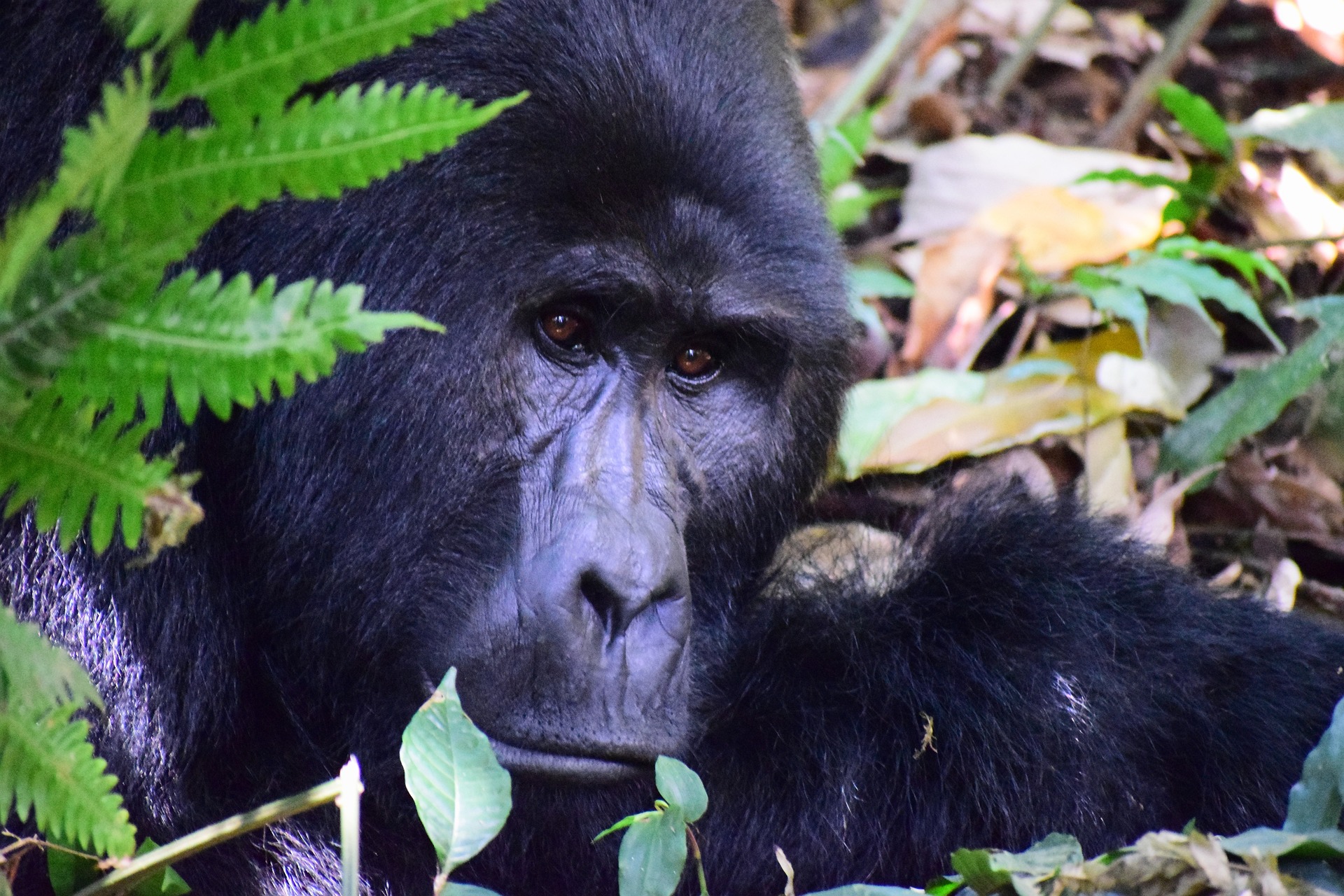
Northwest Rwanda, in the Virunga Mountains. Home to almost half the world’s endangered mountain gorillas. Gorilla trekking is the main draw — $1,500 permit, book early. You’ll hike 2–7 hours for one hour with a habituated family. Golden monkey tracking is $100 and easier. Also do: Dian Fossey’s tomb hike, Bisoke crater climb, stays at luxury Bisate Lodge, and community visits for culture.
2) Nyungwe Forest National Park
One of Africa’s oldest rainforests. 13 primate species including chimps, 310+ birds, huge trees. Chimp tracking at dawn is $150. Walk the canopy walkway — highest in Africa — or hike the trails. Tea estate tours nearby are worth it. Note: Western trails near the DRC border need military escort. Stay at One&Only Nyungwe House for luxury.
3) Akagera National Park
Rwanda’s only savannah park, in the east. Managed by African Parks. Has the Big 5 — lions, leopards, elephants, buffalo, and reintroduced rhinos. Do full-day game drives ($40), boat safaris on Lake Ihema to see hippos and shoebills, night drives at Magashi Camp, or kayaking on Lake Shakani. It’s Central Africa’s largest protected wetland.
4) Lake Kivu
One of Africa’s Great Lakes, bordering Rwanda and the DRC. Western shores are safe for swimming, kayaking — $20/hour in Karongi/Kibuye — and island-hopping to bat-filled Napoleon Island. Relax in Rubavu’s hot springs or take a sunset catamaran — ∼$50 — around Rusizi District towns. Don’t cross into DRC waters. Stay at Lake Kivu Serena for calm, volcano views.
5) Kigali – The Heart of Rwanda
Africa’s cleanest, safest capital. Mixes history and modern life. Visit the free Kigali Genocide Memorial for 250,000 victims. Check Inema Arts galleries, bargain at Kimironko Market, or grab craft beer on a rooftop. Nightlife at Republik Lounge, great food, and craft villages round it out.
Moving Around Rwanda Travel Destinations in East Africa
Rwanda is small and infrastructure is solid, so multi-stop trips are easy. RwandAir flies Kigali–Kamembe daily — 25 mins, $80–120 — for Nyungwe. Helicopter charters to Akagera lodges run ∼$1,200.
Other transport:
- Matatus and buses: Cheap links between Kigali, Rubavu, Rusizi, etc. Use registered ones.
- Taxis: Orange-striped, licensed. No meters — agree price first.
- Tuk-Tuks: Good for short hops in smaller towns.
- Boda Bodas: Fast and cheap, but risky. Helmets required. Avoid at night.
- Ride-Hailing: Yego Moto and Move apps are safer, fixed-price, GPS-tracked.
- On foot or bike: Great way to see countryside and park edges, and really connect with local life.
Additional Rwanda General Travel Tips
Visa and Entry Requirements for Rwanda
Commonwealth citizens get a free 30-day visa on arrival. Others pay $30–50 or apply online at irembo.gov.rw — takes about 3 days. The $100 East African Tourist Visa gives you 90 days across Rwanda, Uganda, and Kenya. A yellow fever shot is required if you’re coming from a risk country. A passport needs 6 months’ validity and one blank page.
Travel Safety and Security in Rwanda (E.g., Along the Democratic Republic of Congo Border Areas)
Rwanda is one of Africa’s safest countries. But FCDO and CDC say avoid west of Rubavu district’s main road due to M23 fighting. Reconsider travel within 10 km of Rusizi District borders.
Emergency: 112 for police/ambulance, Tourist Police 078-831-1159. Other safety notes:
Other travel and safety precautions to follow in Rwanda include.
- Civil Unrest: Rare but avoid crowds. Watch local news.
- Terrorism: Risk is low, but stay alert in markets and bus stations.
- Domestic violence: Prevalent locally, but tourists are generally unaffected; if you notice an incident, report it to 112.
- Violent Crime: Petty crime and theft occur in crowded areas and hotels—carry ID photocopies, as police and local authorities may detain you without identification. Violent incidents, including past grenade attacks, are uncommon.
- Drink spiking: Uncommon, but watch your drink.
- Tourism Security: Well-regulated. Get evacuation insurance. Hazards in parks aren’t always marked.
- Climate & Natural Disasters: Rainy seasons bring floods and landslides. Earthquakes and nearby Nyiragongo volcano activity possible. Check Rwanda Meteorology Agency for warnings.
- Security at the Democratic Republic of Congo (DRC) Border Regions: Active fighting, shelling, armed groups near the Rwanda-DRC border make Rubavu high-risk. Security changes fast — don’t go unless essential. Expect thorough searches at checkpoints.
Rwanda Local Laws (e.g., Dual Citizenship, Arrests, etc.)
Some of the Rwandan local laws to follow and abide by when moving to Rwanda include.
- Plastic Bags: Non-biodegradable plastic bags are strictly banned throughout Rwanda; customs officials confiscate them upon arrival at Kigali Airport.
- Illegal Drugs: Any illegal drugs, including marijuana, mean long jail time and heavy fines.
- Dual citizenship: Legal. Enter/exit on your Rwandan passport if you have one.
- Crime Penalties: Criminal convictions in Rwanda carry severe penalties and may be prosecutable in your home country, especially for dual nationals.
- Arrests: Ask police to notify your embassy right away. Rwanda handles investigations itself.
- Genocide speech: Denying or minimizing the 1994 Genocide against the Tutsi is a crime — 5–7 years prison.
- Photography & Drones: Don’t photograph military or government buildings. Drones need a $50 park permit from Rwanda Civil Aviation Authority — takes 30 days. No flying over parks or Kigali.
- Money: Rwandan Franc (RWF). Clean post-2009 USD bills widely accepted. Mobile money and cards are common in cities.
- Wildlife Safari Parks: Need permits from Rwanda Development Board. Follow guides. Don’t feed or approach animals.
- Faith-Based Travelers: Rwanda is tolerant. Dress modestly at places of worship.
- LGB travelers: Same-sex relations are legal but not widely accepted. Avoid public affection.
- Disability access: Kigali has ramps and adapted facilities. Outside the capital, it’s tough.
- Students: Carry valid student visa and meds with doctor’s notes.
- Women travelers: Generally safe solo. Dress conservatively in rural areas.
Health Care and Precautions for Travelers to Rwanda
Some of the health care precautions to follow when exploring Rwanda during safaris include.
- Travel Insurance in Rwanda: You need comprehensive travel insurance with medical evacuation. Serious cases often go to Kenya or South Africa.
- Physical & Mental Health While in Rwanda: Gorilla trekking is hard — steep, 2,500–3,000 meters up. Be reasonably fit and clear-headed. Acclimatize, hydrate.
- Avoid sick people: If someone looks ill, keep distance or stay away from an infectious person, especially if you notice that they have signs of illness.
- Air Quality in Rwanda: Generally good, but Kigali traffic can bother asthma.
- Vaccines for Travel: Yellow fever required from risk countries. Also get hep A/B, typhoid, rabies, meningitis. Malaria pills are essential — even in Kigali.
- Medications in Rwanda: Bring prescriptions in original packaging with a doctor’s note. Counterfeit drugs are common — only buy from major hospital pharmacies.
- Health Risks in Rwanda: Malaria is year-round — use DEET 30–50% and treated clothes. Don’t swim in freshwater — risk of schistosomiasis. Drink bottled or boiled water to avoid waterborne illness, HIV, TB, mpox.
- Medical Insurance in Rwanda: Most places want cash upfront, even with insurance.
- Medical Facilities in Rwanda: Private clinics like King Faisal Hospital and Legacy Clinics are best. For emergencies, call SAMU 112. Serious cases usually need evacuation.
Transportation and Travel Logistics in Rwanda (e.g., DRC Border Measures)
When it comes to transportation, consider some of these general tips.
Border with the Democratic Republic of Congo (DRC) | DRC Border Travel Measures: High security, thorough searches. Avoid non-essential crossings due to instability.
Land borders: Safety changes fast. Have valid documents, watch official warnings, and be careful near the DRC.
Local travel: Main highways to major towns are paved and decent. Secondary roads need 4WD in the rainy season. Night driving is risky — bad lighting, animals, crime, and reckless driving. Police roadblocks are normal.
Crossing into Rwanda: Show current documents. Declare everything — no plastic bags or illegal items. Customs will confiscate banned stuff.
Volunteers/work: Need sponsor-approved permits from Rwanda Immigration before you start. Working without one can get you detained.
Rwanda Safari Parks and Reserves
Top parks — Volcanoes, Nyungwe, Akagera — need permits from the Rwanda Development Board. Newer Gishwati-Mukura NP and forests around Nyungwe add more biodiversity. All need official RDB permits.
Safaris in Rwanda and Related Tourist Activities
Rwanda safaris are world-class: gorilla trekking in Volcanoes — half the world’s 1,063 mountain gorillas — Big 5 game drives and boat safaris in Akagera’s savannah and wetlands, and visits to the Kigali Genocide Memorial. Rwanda’s plastic bag ban and clean streets make Kigali East Africa’s cleanest, safest capital.
Rwanda Currency | Money

Rwandan Franc (RWF). Cards and mobile money work in cities. Carry cash for remote areas — ATMs are rare outside Kigali and big towns.
Best Time to Visit Rwanda For Safaris
Dry seasons — June to mid-September and December to February — are best for safaris and gorilla trekking. Rainy seasons make remote park roads muddy.
Rwanda Safari Checklist
Insect repellent, hiking boots, rain jacket, sunscreen, travel docs, meds, reusable water bottle, light neutral clothes, permits. Plus binoculars and camera for wildlife. Check with your travel agent for extras.
Rwanda Time Zone
Central Africa Time (CAT, UTC+2) year-round. No daylight saving.
Monitor Local Media in Rwand
Check local news for weather, road conditions, official notices, and border updates to stay safe.
Language In Rwanda
Kinyarwanda is the main national language. English and French are official. English is common in tourism, government, and schools.
Rwandan Culture
Community, respect for elders, modest dress. Monthly Umuganda community service shows the collective spirit — visitors should engage respectfully.
Consular Assistance
Save your embassy/consulate numbers in Kigali. They help with lost passports, legal trouble, or medical emergencies.
Choosing a Good Rwanda Travel Agent
Use RDB-registered operators with good reviews, clear itineraries, and emergency plans. Some solid ones:
- Prime Safaris And Tours Ltd
- Wild Gorilla Safaris
- Gorilla Safari Rwanda
- Rwanda Gorilla Tracking Safaris
- Gorilla Tracking Rwanda
- Africa Safaris Tours
- Gorilla Safaris And Tours
Rwanda Travel Information Frequently Asked Questions
1. Is Rwanda Safe to Visit?
Yes — one of Africa’s safest. Low crime, stable government. Avoid DRC border zones like Rubavu due to conflict. Elsewhere, normal precautions are enough.
2. Do They Speak English in Rwanda?
Yes. It’s official and widely used in tourism, hotels, and Kigali. Guides and signs use English. Kinyarwanda is more common in villages.
3. Is Rwanda Expensive to Visit? | Is Rwanda Cheap to Visit?
Mid-range. Gorilla permits are $1,500, but budget stays, buses ($5–10), and meals ($8) are affordable. Luxury safaris cost more.
4. Is Rwanda a Good Place for Tourists?
Absolutely. Gorilla trekking, Big 5 safaris, rainforests, clean Kigali, Lake Kivu — all in a small, welcoming country.
5. What Are the Requirements to Enter Rwanda?
Passport valid 6+ months, yellow fever certificate if from a risk country, and visa on arrival ($30–50) or e-visa. East African Tourist Visa also works.
6. Can US Citizens Go to Rwanda? | Can US Citizens Visit Rwanda?
Yes. $30 visa on arrival or e-visa. Passport must be valid 6+ months. Yellow fever proof needed if coming from endemic areas.
7. Dos And Don’ts in Rwanda?
Do: Greet people politely, tip guides, follow park rules.
Don’t: Bring plastic bags, photograph officials, walk alone at night, or minimize the genocide.
8. What Do I Need to Know Before Moving to Rwanda?
Book gorilla permits early, take malaria meds, get evacuation insurance, respect the plastic ban, watch border alerts, and pack rain gear for treks.
Rwanda hooks you with gorilla treks, chimps, Big 5 safaris, Lake Kivu, and vibrant Kigali. This guide covers visas, safety, and logistics so your trip goes smoothly. Get your permits, pack smart, and dive into the Land of a Thousand Hills. Reach out to us to plan your transformative safari today!