 >
> 
THE BEST SIGHT IN CONGO’S VIRUNGA NATIONAL PARK, TOURIST ATTRACTIONS AT VIRUNGA NATIONAL PARK
Discover the best things to see in Congo’s Virunga National Park, a UNESCO World Heritage gem that delivers real adventure on a Congo safari.
From endangered mountain gorillas to active volcanoes like Mount Nyiragongo, this park offers unforgettable gorilla trekking, chimpanzee encounters, and an incredible mix of wildlife on Congo wildlife tours.
Despite the challenges the region faces, Virunga remains a top destination for eco-travelers who want to experience Africa’s wild beauty up close, in a guided, secure setting.
Virunga National Park Overview
Virunga is Africa’s oldest national park. It was established in 1925 as Albert National Park and covers 8,090 km² (3,120 sq mi) in eastern Democratic Republic of Congo.
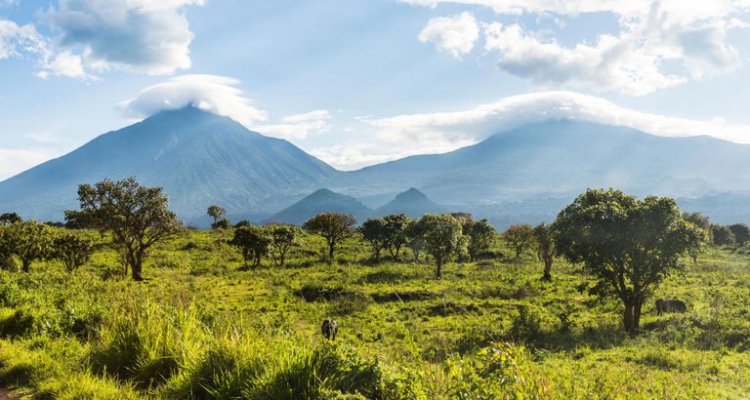
Set in the Albertine Rift Valley, Virunga NP borders Uganda and Rwanda. Elevations range from 680 meters in the Semliki River Basin to 5,109 meters in the snow-capped Rwenzori Mountains.
This biodiversity hotspot became a UNESCO site in 1979 and has been on the danger list since 1994 because of unrest.
It protects over 3,000 species across savannas, tropical rainforests, alpine zones, and volcanoes — all worth seeing on a Congo tour. Here’s a closer look at what makes Virunga’s attractions so special.
Virunga National Park Mountain Gorillas (The Great Apes of Congo)

One of Virunga’s biggest draws is its endangered mountain gorillas. The park holds about a third of the world’s population — over 350 individuals. These gentle giants live in the misty montane forests on the slopes of the Virunga volcanoes.
Habituated families like Kabirizi, the largest with 32 members, allow close, respectful encounters on Congo gorilla tours.
As a critical conservation area, the park protects these great apes from ongoing threats. For wildlife lovers, spending time with them in their natural habitat is an authentic, must-do primate experience.
Mount Nyiragongo (Home to The World’s Largest Lava Lake)
Mount Nyiragongo is a showstopper — an active stratovolcano with the world’s largest lava lake.
At 3,470 meters, its glowing red crater pulls in adventurers, even with eruptions like the one in 2002 that displaced thousands.
Lava plains and views over Lake Kivu add to the drama. Part of the Virunga Massif, Nyiragongo shapes the park’s volcanic landscape.
Hikes here take you from rainforest to barren slopes that still support surprising pockets of wildlife.
Virunga National Park Chimpanzees
Chimpanzees are another highlight in Virunga’s tropical rainforests. They share 98% of our DNA.
Habituated since 1987 and open to visitors from 2014, these smart great apes show off behaviors like nest-building and foraging — often seen on chimpanzee tours.
You’ll find them in areas like the Tongo and Kyambura gorges, living alongside other primates.
Tracking chimps gives you a window into their complex social lives, making it a key experience in the park’s primate-rich forests.
Other Virunga National Park Animals
Virunga isn’t just about primates. Across its savannas and forests, you’ll find over 218 mammal species.
Forest and savanna elephants, lions in the Ishasha sector, leopards, and the rare okapi — rediscovered in 2006 — all call Virunga home.
Lake Edward, on the Virunga side, has Africa’s densest hippo population — more than 20,000 — plus Nile crocodiles.
You’ll also see antelope like topi, Uganda kobs, waterbuck, and giant forest hogs. Aardvarks and bongos round out the wildlife spectacle in this biodiversity hotspot.
Other Primates in Virunga National Park
Virunga protects 22 primate species, making it a true primate paradise. Beyond gorillas and chimps, look for golden monkeys with their bright fur, blue monkeys in the forest canopy, red-tailed monkeys, and troops of olive baboons.
Rarer sightings include Hamlyn’s monkeys, Dent’s mona monkeys, De Brazza’s monkeys, central African red colobus, mantled guereza, and grey-cheeked mangabeys.
These lively animals thrive in the park’s varied habitats, giving you plenty to watch on treks and walks.
Mount Nyamuragira
Mount Nyamuragira is Africa’s most active volcano. Its frequent eruptions reshape lava plains and craters.
At 3,058 meters, it’s less visited than Nyiragongo but offers tough hikes to higher altitudes through volcanic terrain with unique plant life.
Its activity enriches the park’s soils, supporting new vegetation. As one of two active Virunga volcanoes in the park, it draws geology fans and hikers looking for a wilder, less-traveled adventure.
Mount Mikeno
Dormant Mount Mikeno rises 4,437 meters above sea level and is a key gorilla habitat in the Mikeno sector.
Its forested slopes make for challenging treks and sweeping views of the Rift Valley and nearby volcanoes.
You can reach it via the Rugari–Bukima road. The mountain’s bamboo and montane forests shelter diverse wildlife, making it perfect for immersive nature experiences among misty peaks and valleys.
Virunga National Park Congo Birds
Birders love Virunga — it has 706 bird species, including 16 Albertine Rift endemics like the Rwenzori turaco, Kivu ground thrush, and Shelley’s crimsonwing.
Migratory birds from as far as Siberia spend winter here, while wetlands host shoebill storks, hornbills, and fish eagles.
The forests are alive with grey-throated barbets and blue-headed sunbirds. The southern sector’s mix of savannas, swamps, and mountains means you can spot birds year-round, with over 700 species possible.
Senkwekwe Gorilla Orphanage
The Senkwekwe Gorilla Orphanage is the only place in the world set up specifically for orphaned mountain gorillas.
It takes in young gorillas who’ve lost their families to poaching or conflict and gives them a chance to heal and grow.
The center is named after a silverback, and over the years it has looked after gorillas like Ndakasi, who many people know from documentaries.
On a guided tour, you can learn about the work being done to protect gorillas and spend time watching the orphans play in their secure enclosure. Their antics are both heartwarming and humbling.
This stop says a lot about Virunga’s commitment to saving its most famous apes, even with the ongoing challenges in eastern Congo.
Batwa People in Virunga Park
The Batwa are an indigenous pygmy community who bring a rich cultural layer to Virunga.
Forced out of the forests they once called home, they now share their traditions through music, dance, and hands-on demonstrations of skills like building huts, collecting honey, and traditional hunting.
Village tours near the park help the Batwa earn a living in sustainable ways and encourage a balance between people and conservation.
Meeting the Batwa, along with Hutu, Tutsi, and other local groups, shows you that Virunga isn’t just about wildlife — it’s also about human history and heritage.
Virunga National Park Flora and Vegetation
Virunga’s plant life is incredible. The park has 2,077 recorded species, including 264 types of trees and 230 plants found only in the Albertine Rift.
Wetlands are thick with papyrus sedges and jointed flatsedges. Grasslands spread out with sacaton grasses.
In the montane forests, you’ll find African redwood, bamboo, and tree heaths growing up to 3,000 meters.
Higher up, the subalpine zone has giant Senecio and Lobelia, with mosses and heathers taking over at the top.
All of this vegetation feeds wildlife and creates a stunning, varied landscape that shifts with altitude and soil.
Lakes, Rivers, and Waterfalls in Virunga Park
Virunga’s waterways are just as striking as its forests and mountains. Lake Edward’s shores are packed with hippos, while Lake Kivu’s calm islands, like Tchegera, are perfect for exploring.
Rivers, including the Semliki, Ishasha, Rutshuru, and Rwindi, flow through the park and keep aquatic life thriving.
The Congo River basin touches the park’s western edge, and headwaters of the Nile, like the Rukarara, add another layer to the story.
Then there are the waterfalls — Rutshuru Falls, Escaliers de Venus at Mount Hoyo, and Nzururu Cascade. They drop dramatically through the landscape and make unforgettable spots for boat safaris and photos.
Virunga National Park Climate
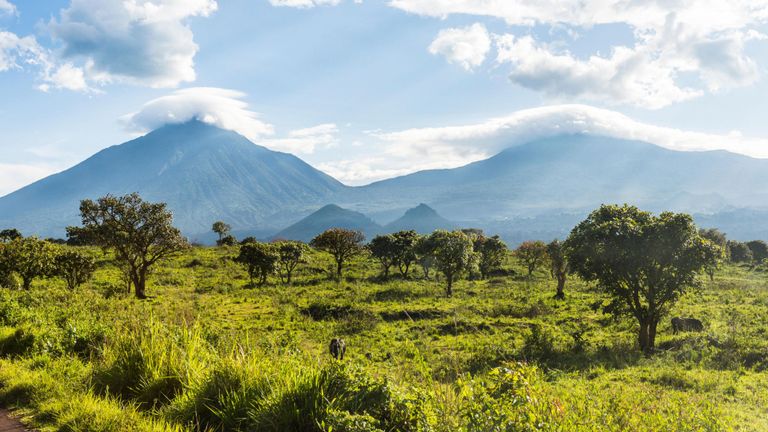
Virunga has a tropical climate shaped by the Intertropical Convergence Zone and El Niño. It varies with altitude: lowlands are 23–28°C, highlands are 14–24°C.
Being near the equator and close to large water bodies keeps it warm and humid. There are two main rainy seasons — March to May and September to November — with 30–220 mm of rain, feeding the vegetation.
Dry seasons, June to October and December to February, are best for trekking since trails are clearer.
Glaciers on the Rwenzori Mountains create cooler pockets, so visits are possible year-round, but dry months work best for most activities.
How Best to See the Attractions in Virunga National Park – Safari Activities
You can explore Virunga’s highlights on guided tours that mix adventure with conservation.
Armed rangers keep visitors safe, and permits booked through park management open up activities like trekking and hiking to see the park’s natural treasures.
Mountain Gorilla Trekking
Gorilla trekking is Virunga’s signature experience. It starts at the Bukima post after a briefing. Groups of eight hike 1 to 3 hours to find a habituated gorilla family, then spend one hour watching silverbacks and juveniles.
Permits are $400 in high season and $200 in low season; porters are $15. Masks protect gorillas from human illness, and kids under 15 can’t trek.
It’s cheaper than Uganda ($800) or Rwanda ($1,500) and helps fund conservation of over 1,000 gorillas — a third of the global population.
Chimpanzee Trekking
Track chimps in the lush forest, starting at 6 AM for the best chance of sightings. Permits cost $100–$150 and allow 4–8 hours observing nesting and social behavior in habituated groups.
Guides lead you through gorges like Tongo, where you might also see monkeys and birds. This deep dive into chimp life shows their human-like traits and supports conservation in this primate haven.
Hiking Mount Nyiragongo
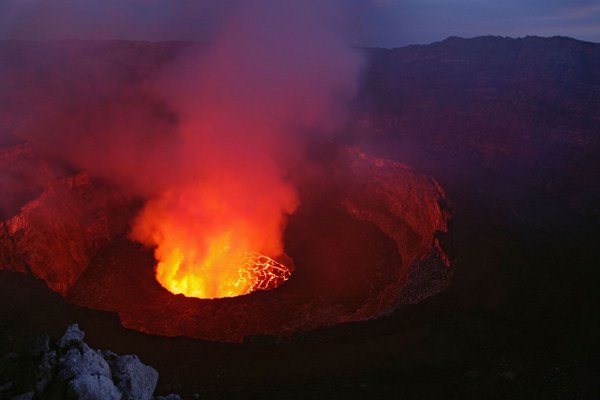
Hike active Nyiragongo from the Kibati patrol post. It’s a 4–6 hour climb to the 3,470-meter summit, depending on your group.
Permits are $300 and include summit shelters; porters are $25. At the top, you’ll see the churning lava lake — the world’s largest — at night, with views over jungles and wildlife. Bring boots and warm clothes. This is a true volcanic adventure.
Hiking Mount Mikeno
Trek Mikeno’s forested slopes, a gorilla stronghold at 4,437 meters. The trail is challenging but passes through bamboo and offers Rift Valley views.
You might spot primates and birds along the way. This quieter hike in the Mikeno sector is perfect for fit travelers who want serene volcanic scenery and wildlife sightings.
Birding in Virunga NP
With over 706 bird species, birding is excellent year-round but best in the dry seasons — June–August and December–January.
Permits are $80–$120 and include guided outings with binoculars and calls.
Early mornings reveal endemics like the Rwenzori turaco, blue-headed sunbird, and shoebills in wetlands. You’ll explore varied habitats for both migratory and rare species.
Senkwekwe Gorilla Orphanage Visits
Visit Senkwekwe, where orphaned gorillas are cared for after threats like civil unrest in eastern DRC. Guided tours explain rehabilitation and conservation.
Watching young gorillas like Ndakasi play is moving and shows the human impact and recovery efforts.
Nature Walks in Virunga NP
Guided nature walks follow safe trails through eroded valleys and past volcanoes. You can see forest hogs, buffaloes, okapis, lions, and many birds in diverse ecosystems.
They’re relaxed but informative — great for all ages who want close wildlife views without intense trekking.
Batwa Cultural Experiences
Join Batwa-led tours to learn from indigenous pygmies. Experience dances, hut-building, and honey harvesting.
These visits support sustainable livelihoods and promote harmony with conservation. You’ll get Twa heritage and forest insights, adding real cultural depth to your safari.
Other Activities
Boat safaris on Lake Edward or Kivu ($50–$100) let you see hippos, crocodiles, and waterbirds like kingfishers.
Visits to the Bloodhound anti-poaching unit show how rangers tackle threats.
Photography is incredible — capture views, gorillas, and landscapes. Bring binoculars. You can also try sport fishing and cultural tours for a full experience.
Virunga National Park Accommodation
Stay close to nature in lodges that balance luxury and eco-friendliness. Book through park authorities for safety.
Mikeno Lodge

A luxury lodge at park headquarters with 12 lava-rock bungalows. Each has a fireplace, en-suite bath, and Rift Valley views.
Enjoy Congolese cuisine, a bar, and wildlife like monkeys nearby. Great for gorilla tracking access. Rates start at $330 single and $475 double — perfect for a comfortable stay in the jungle.
Kibumba Tented Camp
A mid-range camp with luxury safari-style tents and en-suites. It serves international and local food. At 1,400 meters near gorilla trails, it has volcano views and primate sightings.
Open all year, it’s ideal for trekkers wanting authentic camping with comfort, around $200–$300 per night.
Nyiragongo Summit Shelters
Basic wooden shelters at Nyiragongo’s summit have two-person tents with shared facilities. Included in the $300 hike permit, they offer stargazing and lava views.
Bring warm gear for freezing nights — this is for adventurous hikers who want a unique overnight on the volcano.
Other Accommodations
- Bukima Tented Camp: Semi-luxury tents with Mt. Mikeno views ($200–$350).
- Lulimbi: On savanna plains, good for wildlife spotting ($150–$250).
- Tchegera Island: On Lake Kivu, peaceful tents with water activities ($100–$200).
- Ngila Lodge: Quiet rooms ($200–$400).
Budget spots: Hotel Virunga and Goma Lodge range from $50 to $150.
Rules and Regulations for Visiting Virunga National Park
Safety and conservation come first.
- Get permits in advance via visit.virunga.org or through trusted operators like Prime Safaris and Tours Ltd.
- Follow ranger instructions.
- Wear masks on gorilla treks to prevent disease spread. Keep 7 meters from animals.
- No littering or feeding wildlife.
- Respect communities; don’t enter areas without permission.
- Carry your passport, visa, and yellow fever card.
- Children under 15 can’t trek gorillas.
- Don’t go if you’re sick.
- No camping in Virunga for security reasons; use designated lodges or camps.
Breaking rules can mean fines or removal from the park.
Costs for Visiting Virunga National Park in the Democratic Republic of Congo
Budgets vary:
- Gorilla trekking: $400 high season, $200 low season.
- Nyiragongo hike: $300 permit, plus $100 for a backpack and $25 for a porter.
- Boat safaris/birding: $50–$120.
- Park entry: $75/day. Visa: $105.
- Transport: $100–$500, including vehicle hire.
- Accommodation: $50–$705/night.
- Meals, tips, insurance: Extra. Expect different costs for those.
Packages through trusted operators reduce hidden fees; the total is $1,000–$3,000 per person for 3–5 days.
Best Time to Visit Virunga National Park to See the Attractions
Dry seasons — June to September and December to February — are best. Trails are easier for trekking and wildlife viewing is clearer. Lowlands are 23–28°C, highlands cooler.
Wet seasons — March to May and September to November — mean discounts but slippery paths and thicker foliage. Birding is great then with migrants.
You can visit year-round, but check security updates. Dry months suit most activities like gorilla tracking and hiking.
How to Get to Virunga National Park?
You can reach Virunga via Rwanda: Fly to Kigali (KGL), drive 2–4 hours to Gisenyi, cross to Goma with a visa/yellow fever card, then 30 minutes to Bukima.
Or via Uganda: Fly to Entebbe (EBB), drive 8 hours to the Bunagana border, or fly to Kisoro, cross, and meet rangers.
Direct to DR Congo: Fly to Goma Airport (GOM), then a 32 km drive with arranged transport. A scenic Lake Kivu boat from Gisenyi adds adventure ($50–$100).
Congo Safari Checklist for Virunga National Park
- Pack essentials: Valid passport, visa copies, yellow fever card, and travel insurance (at least $100,000 evacuation coverage).
- First-aid kit, meds, sunscreen, insect repellent.
- Clothing: Hiking boots, waterproof pants, long-sleeve shirts, rain jacket, fleece, hat, gloves, quick-dry socks.
- Accessories: Waterproof backpack, water bottle, binoculars, camera, walking stick, portable charger.
- Optional: Snacks, books, GPS, extra batteries, Congolese francs/Visa cards.
Prepare for changing weather and security conditions.
Threats Affecting Virunga National Park Attractions
Serious threats include armed conflict and militia clashes, which have killed over 200 rangers since the 1990s and displaced communities into illegal farming and charcoal production.
Other issues:
- Poaching of gorillas, elephants, and hippos.
- Oil exploration — auctions in 2022, despite 2021 protections, threaten ecosystems.
- Habitat loss from deforestation and human encroachment.
- Climate change is shifting rainfall, harming biodiversity.
- Political instability, corruption, disease, invasive species, and unregulated tourism make it worse.
It’s been on the UNESCO danger list since 1994 as one of the world’s most at-risk parks.
Ongoing Conservation Efforts in Virunga National Park
ICCN and the Virunga Foundation lead conservation with militarized anti-poaching patrols using bloodhounds and rangers.
The Lion Conservation Unit with Queen Elizabeth Park helps prey and reduces poaching.
Habitat restoration and wildlife monitoring protect gorillas and elephants. Community programs involve Batwa and locals in sustainable tourism and livelihoods.
Partners like IUCN, WWF, the Dian Fossey Fund, and the European Commission support policy.
The Virunga Alliance under Emmanuel de Mérode promotes ecotourism and hydropower for 200,000 people, tackling climate change for long-term protection.
Commonly Asked Questions about Attractions in Virunga National Park
- What Is Special About Virunga National Park?
Virunga’s uniqueness is its huge biodiversity — over 3,000 species, including three great apes — and varied landscapes from volcanoes to Rwenzori snowfields.
As Africa’s oldest park, it’s a UNESCO site with endemics like gorillas, okapi, and Congo peafowl.
Conservation work amid challenges makes it a center for research, adventure, and cultural heritage.
- Why Is Virunga National Park Closed?
As of October 2025, Virunga is partially closed or limited due to ongoing armed conflict and security risks from militias.
Past closures, like June 2018 to February 2019 after attacks, show safety comes first.
Check visit.virunga.org for updates. Some areas may reopen with precautions, but instability continues.
- What Does Virunga Mean in English?
“Virunga” comes from the Kinyarwanda word “ibirunga,” which means “volcanoes” in English. It refers to the chain of eight volcanoes in the Virunga Massif that shape the park.
- What Animals Are in the Virunga National Park?
Virunga has a wide range of endangered wildlife: 218 mammals, including mountain gorillas, chimpanzees, elephants, golden monkeys, lions, okapi, hippos, and leopards.
Primates include various monkey species; birds total 706, with endemics like the Rwenzori turaco.
Reptiles include Nile crocodiles; amphibians number 78 species. Rare sightings: Congo peafowl, bongos, and giant forest hogs in different habitats.
- What Is the Must-Do Tourist Activity in the Virunga National Park?
Gorilla trekking is the top must-do. It offers close encounters with habituated mountain gorilla families in misty forests.
This bucket-list experience supports conservation and gives deep insight into wildlife.
- What Is Virunga National Park Best Known For?
Virunga is best known for endangered mountain gorillas — a third of the world’s population — active Virunga volcanoes like Nyiragongo, and exceptional biodiversity.
Its conservation struggles amid conflict highlight resilience, making it iconic for eco-adventurers.
- Is Virunga Open to Tourists?
As of October 2025, Virunga isn’t fully open because of security concerns from armed groups that have attacked guides.
Some guided activities may restart with strict safety measures, but independent travel isn’t allowed.
Monitor official sites for reopening news. Safety is critical, with ranger escorts protecting visitors.
- How Much Does It Cost to Go Gorilla Trekking in Virunga?
Gorilla trekking permits are $400 in high season (June–October, December–February) or $200 in low season for non-residents, $150 for Congolese.
That covers one hour of viewing. Add transport, lodging, and porters ($15–$25). A full trip is usually $1,000+ per person — cheaper than Uganda or Rwanda.
Virunga NP amazes with mountain gorillas, active volcanoes, chimpanzees, diverse wildlife, and vibrant cultures. This guide has covered attractions, activities, lodging, safety, and conservation. Book your dream Congo safari now to support conservation and experience Africa’s untamed wonder in an adventure you’ll never forget.

Over 300 excellent reviews on TripAdvisor
Over 50 excellent reviews on Safaribookings.
Over 50 excellent reviews on Safaribookings.
12+ years of experience.
Best price guarantee.
Robert
Get in touch with a travel expert to plan your gorilla tours and wildlife safaris...
Obtain professional travel guidance by either calling us or arranging a video conference with our experts.