 >
> Are you seeking an unforgettable hiking adventure in Rwanda? Mount Karisimbi, the highest peak in Rwanda and a towering dormant volcano in the heart of Volcanoes National Park, offers hikers breathtaking landscapes, snow-capped summits, mountain gorilla sightings, and more during Rwanda safaris/hiking tours.
Whether you’re a seasoned trekker or a cultural traveler, Mt. Karisimbi delivers an extraordinary mix of challenge, biodiversity, and volcanic beauty.
This is a detailed overview of everything you need to know about Mount Karisimbi as you start planning your hiking adventure on this popular Virunga volcano!
Where To Find Mount Karisimbi | Karisimbi Location
The Karisimbi volcano, an inactive volcano whose name means ‘snow’ in Kinyarwanda, rises majestically within the Virunga Mountains/Virunga Massif along the border of Rwanda and the Democratic Republic of Congo (DRC) at 4,507 meters above sea level in the western branch of the East African Rift valley.
It straddles Volcanoes NP in Rwanda and Virunga National Park in the DRC, offering a rare geographical and ecological intersection.
Volcanoes National Park in Rwanda
Volcanoes National Park in northwestern Rwanda spans 160 sq. km and protects five of the eight Virunga mountains, including Karisimbi. It is a renowned destination for gorilla trekking and primate research in Rwanda.
Virunga National Park (Formerly Albert National Park) (DRC)
Established in 1925, Virunga National Park is a UNESCO World Heritage Site in the DRC and home to diverse ecosystems, active volcanoes like Nyiragongo, and hundreds of gorillas. Karisimbi volcano partially lies within its boundaries.
Fun Facts of Mount Karisimbi | What Are the Interesting Facts About Mount Karisimbi?
- The Karisimbi volcano stands at 4,507 meters (14,787 feet), making it Rwanda’s highest peak and the fifth-highest mountain in Africa.
- The name “Karisimbi” derives from “amasimbi” (white shell) in Kinyarwanda, means snow, referring to its snow-capped summit during dry seasons.
- Karisimbi volcano is a stratovolcano, part of the Albertine Rift, and last erupted over 100 years ago.
- It’s home to mountain gorillas, monkeys, and over 200 bird species, including Albertine Rift Endemics.
- The summit features a caldera, two explosion craters, and views of the Virunga ranges—Visoke, Mikeno, and the Ruwenzori Mountains.
Fascinating Mount Karisimbi History
Formed during the Pleistocene era, Karisimbi has been a sacred landmark for indigenous Bafumbira and Batwa communities.
European explorers like John Speke (1861) and Adolf Friedrich (1907) mapped the area. On February 27, 1908, disaster struck an expedition led by Egon Von Kirschstein as they descended the Branca Crater.
A sudden and severe hailstorm and snowstorm proved catastrophic, claiming the lives of 20 porters who were on the expedition.
Dian Fossey founded the Karisoke Research Center between Karisimbi and Bisoke in 1967 to study mountain gorillas.
The region has also witnessed colonial exploitation, armed conflict, and environmental challenges, notably a destructive non-volcanic mudflow in 2010, which was triggered by rains, leading to the death of over 50 people at Kibiriga.
Research And Volcanic Activity at Karisimbi Volcano, Where Lava Flows Erupted
Although dormant, Karisimbi is geologically active with evidence of lava flows, viscous lava plains, calderas, and explosion craters.
Branca Crater (a 2 km wide caldera located southeast of the summit of Karisimbi Volcano full of viscous lava flows and two explosion craters) and Muntango Pit (a 1.2 km wide pit crater located south of the summit, which is a broad lava plain covering approximately 400 sq km with lava tubes and over 100 adventive cones, consisting of spatter and cinder cones) are notable features.
Satellite data reveal mudflow patterns linked to erosion, urban growth, and gully formations.
Researchers continue studying the volcano’s structure and environmental risks till today.
How To Explore Mount Karisimbi?
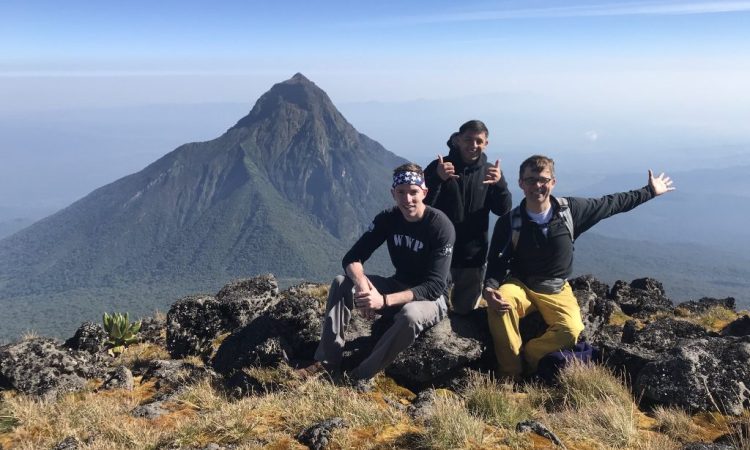
Exploring Karisimbi requires a guided hike (the Mount Karisimbi Hike) from Volcanoes NP headquarters in Kinigi.
The trail begins near Mount Bisoke, one of the mountains in the Virunga ranges, and covers about 10–12 km round trip with a steep ascent of 700–800 meters.
Duration Taken to Complete a Mount Karisimbi Hike | How Long Does It Take to Climb Mount Karisimbi?
The hike usually takes 2 days for hikers to complete:
- Day 1: 6–8 hours hike to the overnight stay camp near the summit.
- Day 2: Final ascent and descent, 4–6 hours.
What To Expect During the Karisimbi Hike?
Travelers on a Karisimbi trek/hiking Mount Karisimbi, an inactive volcano, can expect lush forests, volcanic ash, monkeys, giant lobelia, high-altitude flora & exotic plants, and rare sightings of gorillas, among other wildlife species in the dense forest.
The trail becomes rockier and steeper at higher elevations due to the existence of volcanic rocks, so hikers need to be cautious.
The summit offers sweeping views of the other Virunga mountain ranges and, if lucky, glimpses of snow.
Tips on Preparing for a Mt. Karisimbi Hike
- Train before the trek for endurance and high altitude.
- Pack essentials: sleeping bag, warm clothing, gloves, rain gear, sunscreen, and energy bars.
- Wear waterproof boots and bring insect repellent.
- Hire a porter (approx. $20) for support.
- Acclimatize to avoid altitude sickness.
Rules and Regulations for Hiking Mount Karisimbi
- A hiking permit from RDB is required ($400 for foreigners).
- Gorilla and monkey trekking permits must be booked separately if you intend to combine these Rwanda safari excursions.
- Group size is limited to 8 people.
- Only those aged 15+ can hike Karisimbi or track gorillas.
- Mandatory pre-hike briefing and registration at Kinigi park headquarters.
- No littering or feeding wildlife while on the mountain.
- Stay on designated trails on the Karisimbi mountain.
- Follow all park regulations and guide instructions.
How To Plan and Book a Mount Karisimbi Hike and Gorilla Trekking Tour in Rwanda’s Volcanoes National Park?
Book through the Rwanda Development Board or a licensed tour operator like Prime Safaris and Tours Ltd, Wild Gorilla Safaris, Gorilla Safari Rwanda, Rwanda Gorilla Tracking Safaris, Gorilla Tracking Rwanda, Africa Safaris Tours, Gorilla Safaris and Tours, etc.
Most tour packages they offer often include permits, accommodation, transport, porters, and meals.
Secure Karisimbi hiking or Rwanda gorilla permits months in advance, especially in peak seasons.
Best Time to Visit Volcanoes NP For a Mt Karisimbi Climb Tour
The best time to visit Parc National des Volcans for Mount Karisimbi hiking and Rwanda gorilla tracking tours is during the dry seasons of June to August and December to February, which are the best for hiking and gorilla tracks with clear skies, less mud, and snow at the summit.
It is important to remember that the wet seasons, which run from March to May and October to November, are not advisable, as the muddy trails may be slippery and hard to navigate.
How To Get to Mount Karisimbi in Volcanoes National Park for Rwanda Hiking Safaris?
- By Air: Fly into Kigali International Airport. Drive (~2 hrs) to Musanze.
- By Road: Take a bus or car from Kigali to Musanze, then to Kinigi HQ.
- From Uganda/DRC: Cross at Cyanika or Goma borders, and journey to Musanze, then Volcanoes NP.
Contact a reputable Rwanda tour operator to aid you in planning a hassle-free trip involving transportation, accommodation, etc.!
Where To Stay When on Karisimbi Hiking Safaris?
Lodges near Parc National des Volcans are perfect if you are going for a Karisimbi hike and they include:
- Luxury: Bisate Lodge, One&Only Gorilla’s Nest, Sabyinyo Silverback Lodge.
- Midrange: Five Volcanoes Boutique Hotel, Le Bambou Lodge.
- Budget: Kinigi Guesthouse, Amahoro Guest House.
Book in advance due to limited space during the peak months of June to October.
Mount Karisimbi Hiking Permit Costs and Other Parc National des Volcans Fees | How Much Does It Cost to Hike Mount Karisimbi?
- Hiking Karisimbi: $400 (foreigners), $300 (E.A. residents), $200 (Rwandans).
- Gorilla Tracking: $1,500 (discounts in May & November).
- Monkey Tracking: $100 (foreigners), $65 (residents).
- Park Entrance: $50 (non-residents).
- Porter Service: ~$20 per 15kg bag.
Liaise with your travel agent for the most accurate quotes!
OTHER SAFARI ACTIVITIES DONE AT MOUNT KARISIMBI VOLCANO AND PARC NATIONAL DES VOLCANS
Rwanda Gorilla Trekking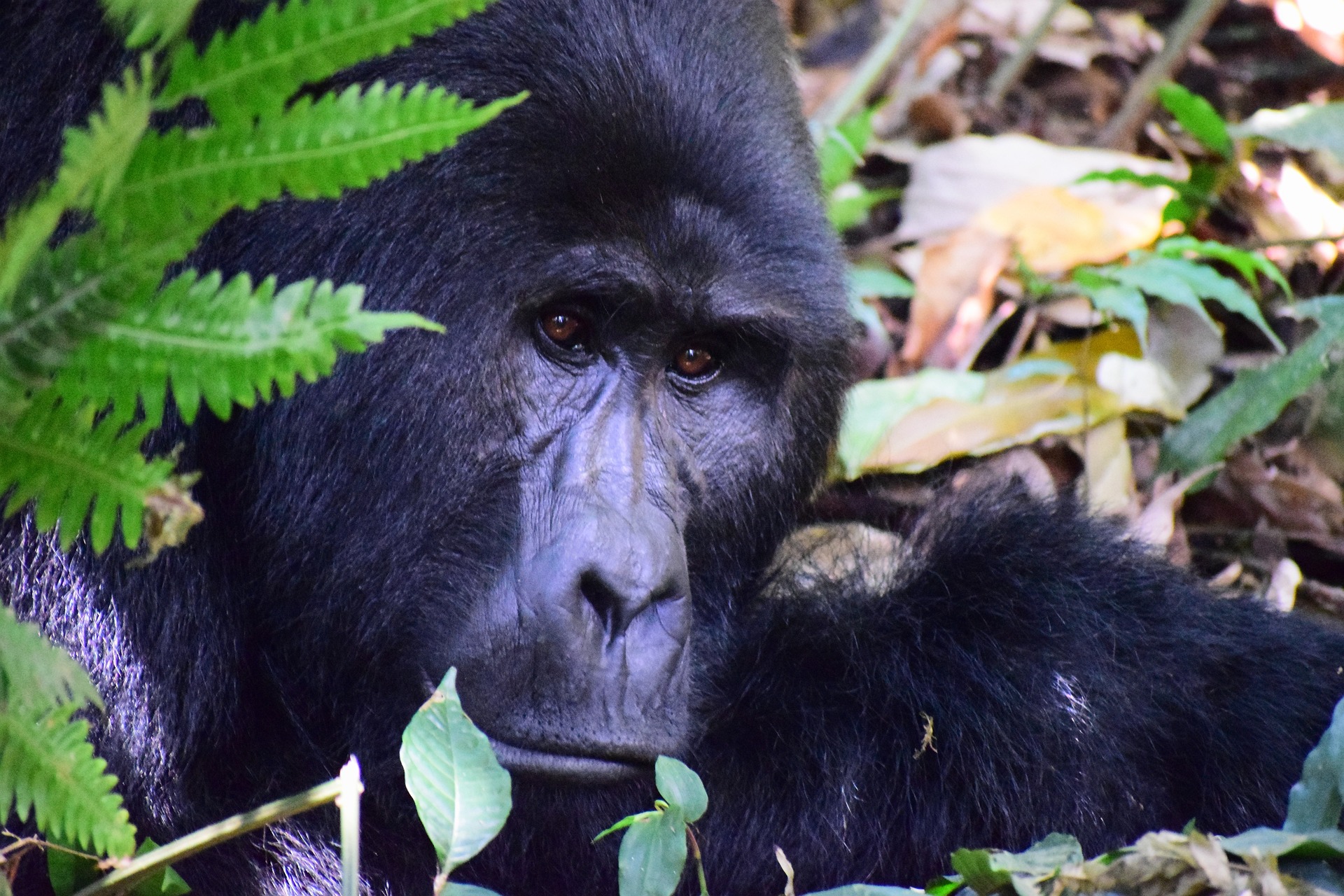
Encounter endangered gorillas in their natural habitat—a bucket-list experience and one of the most famous activities done only in Volcanoes NP in the whole of Rwanda, supported by conservation tourism.
Golden Monkey Tracking
Tracking and observing these monkeys in bamboo forests is a fun, informative, and great experience for families on Rwanda wildlife safaris. These monkeys are only endemic to the Virunga Massif.
Rwanda Birding Tours
Home to 200+ species, including Albertine Rift endemics like the Rwenzori turaco, dusky crimson wing, and Kivu ground thrush, among others, hiking and birding tours here offer birders and hikers alike a chance to see these avians firsthand.
Visiting Dian Fossey’s Grave and Karisoke Research Center
A Karisimbi hike offers tourists a chance to pay homage to a legendary primatologist, Dian Fossey, as well as explore the famous Karisoke Research Center she set up to learn about the gorilla’s habits.
Volcanic Exploration on Karisimbi and Photography Safaris
Photograph calderas, lava flows, waterfalls, and scenic peaks while hiking and exploring the Virunga volcano for lasting memories during Rwanda tours.
Batwa Cultural Experiences at Mount Karisimbi
Learn traditional practices, songs, dances, and storytelling from the Batwa pygmy communities that live around the Karisimbi Mountain in Rwanda for lasting memories during Rwanda hiking tours.
STUNNING TOURIST ATTRACTIONS AT MOUNT KARISIMBI IN VOLCANOES NATIONAL PARK
- Mountain Gorillas
- Golden Monkeys
- Diverse Wildlife: buffalo, duiker, colobus monkeys, etc.
- Bird species, including Albertine Rift endemics.
- Branca Lake: A volcanic caldera lake located SE of the 4507-m-high summit.
- Muntango Crater
- Lava plains
- Scenic Views: Virunga range, sunrise/sunset in a perfect location.
- Lush Flora and Vegetation: Giant lobelia, senecio, and bamboo forests.
- Stunning scenery of the Snow-Capped Summit (seasonal)
- Waterfalls & Trails
Visit Rwanda’s Volcanoes National Park and Karisimbi for the most unforgettable views of all these tourist attractions!
Other Virunga Volcanoes Besides Karisimbi in Rwanda, Uganda, And the Democratic Republic of Congo
- Mount Bisoke/Visoke (Rwanda)
- Mount Gahinga/Mgahinga (Uganda/Rwanda)
- Mount Muhabura/Muhavura (Rwanda/Uganda)
- Mount Sabyinyo (Rwanda / Uganda / DR Congo)
- Mount Mikeno (DRC)
- Mount Nyiragongo (DR Congo)
- Mount Nyamuragira (DR Congo)
These are found in major wildlife safari parks, i.e., Volcanoes NP in Rwanda, Mgahinga Gorilla NP in Uganda, and Virunga NP in the democratic republic of Congo.
Safari Packing List for Rwanda Volcanoes National Park and Mount Karisimbi Safaris
- Long trousers/Long pants: Protection from sharp branches and stinging insects.
- Warm jumper/Insulated jacket & thermal layers: For chilly mornings and evenings.
- Long-sleeved shirt: More protection from stinging insects and the sun.
- Wide-brimmed hat & Sunglasses: Shields your face and neck from the sun.
- Gardening gloves: Good for handling plants and protection.
- Waterproof hiking boots/Light hiking shoes: Essential for rugged terrain and water crossings.
- Sunscreen: Protects your skin from harsh UV rays.
- Quick-drying hiking socks: Comfortable and practical for hiking.
- Waterproof rain jacket: Perfect for rainy seasons.
- Energy snacks & water bottle
- Insect repellent for warding off mosquitoes at night
- Sleeping bag (to camp for an over-night stay/hike)
Mount Karisimbi FAQ (Frequently Asked Questions)
- When Did Mount Karisimbi Last Erupt?
The Karisimbi Volcano is a dormant volcano/inactive volcano located in the Virunga mountain range with no recorded eruptions in the last 100 years.
- Is Mount Karisimbi an Active Volcano? | Is Karisimbi Active?
No, Karisimbi is an inactive stratovolcano found in Rwanda and partially straddles the DR Congo with an elevation of 4,507 meters (14,787 feet) above sea level, making it the highest peak in Rwanda and the fifth-highest in Africa.
- What Does the Name Karisimbi Mean?
It means “white shell” or “snow” in Kinyarwanda, referencing the snow on the summit, which can be seen by hikers who climb atop its symmetrical, sharp-peaked summit.
- Can You Climb Mount Karisimbi?
Yes, a 2-day guided hike is available through Volcanoes NP for hikers that will offer you the most amazing Rwanda safari experience.
Conclusion
Mt. Karisimbi, Rwanda’s highest volcano in Volcanoes NP, offers challenging multi-day climbs through diverse ecosystems, crater lakes, and gorilla habitats. Summit for panoramic Virunga views. Call us now to book your Mt. Karisimbi safari today and experience one of Africa’s most beautiful and rewarding volcano climbs!

Over 300 excellent reviews on TripAdvisor
Over 50 excellent reviews on Safaribookings.
Over 50 excellent reviews on Safaribookings.
12+ years of experience.
Best price guarantee.
Robert
Get in touch with a travel expert to plan your gorilla tours and wildlife safaris...
Obtain professional travel guidance by either calling us or arranging a video conference with our experts.