 >
> Musanze Caves are one of Rwanda’s best-known lava-tube cave systems, offering a chance to walk underground through volcanic rock on many Rwanda safaris.
In Rwanda‘s Northern Province, Musanze Caves are a simple, guided underground walk with good scenery on the way in. They’re a solid option if you want to add something different to a trip that’s focused on wildlife.
The cave system was formed by volcanic activity in the Virunga region. The main route runs for about 2 km through connected tunnels and chambers, with more than 31 entrances, many created where parts of the roof collapsed.
Inside, it’s cooler and much darker than outside, with sections where the original lava flow is easy to imagine. Guides explain how the lava tubes formed and share a bit of background on how the caves have been used over time.
The visit covers roughly 2 km underground. Along the way, the briefing typically touches on the local geology, a few historical notes, and the wider Virunga landscape.
Musanze is part of a wider 52-cave network (about 15.2 km) in the province. Formed in Cenozoic volcanic rocks, the site was opened to visitors in 2014 by the Rwanda Development Board, and it received more than 400 visitors in the first few months.
A lot of people visit the caves after mountain gorilla trekking in Volcanoes National Park; it’s an easy change of pace from the forest. The tours also create local income through guiding, small businesses, and community-based activities.
Whether you’re chasing bat-filled echoes or mineral-sparkled walls, Musanze Caves promise an introspective journey into the earth’s hidden heart, all while showcasing the resilient spirit of this volcanic area in the Albertine Rift Valley.
Let us delve into a detailed overview of these caves at Musanze!
Location of the Caves at Musanze near Volcanoes National Park | Where Are Musanze Caves Found?
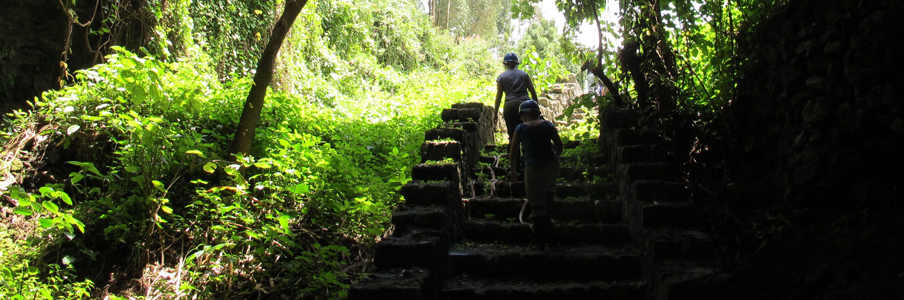
Musanze Caves are in Musanze District (Northern Province), at the base of the Virunga volcanoes. They sit about 2 km from Volcanoes National Park’s Kinigi headquarters.
From Kigali, the drive is usually 1.5-2 hours on paved roads, depending on traffic and stops.
The caves were created by basaltic lava linked to the Bisoke and Sabyinyo volcanoes. You’ll see parallel lava tubes and a wide main entrance (often described as cathedral-like), edged by thick vegetation.
Because they’re close to Volcanoes National Park, the caves work well as a half-day or day-trip stop alongside other activities in the area. On clear days, you can see parts of the Virunga range as you approach.
History of the Caves in Musanze
Beyond their geology, the Musanze Caves have long been part of local history and tradition.
Local stories connect the caves with royal customs and ceremonies linked to nearby places such as Buhanga. Finds in and around the caves, including hunting tools, also point to long-term human activity in the area.
Shifting to the modern era, they provided shelter during tribal conflicts and, heartbreakingly, hid thousands during the 1994 genocide against the Tutsi, though some areas became sites of tragedy.
This history adds depth, with guides from local people sharing tales respectfully. Today, in the present day, they stand as symbols of endurance, managing to preserve their cultural importance while boosting tourism in Musanze.
Formation and Geology of the Caves of Musanze
Musanze Caves are a testament to Earth’s volcanic fury, captivating geology enthusiasts with their intricate designs.
How the caves formed
The caves formed from lava flows in the Virunga range during the Cenozoic era (often described as around 65 million years ago). As lava from volcanoes such as Bisoke and Sabyinyo cooled, the surface hardened first while hotter lava kept moving underneath. When that molten lava drained away, it left behind hollow tubes that later became the caves.
Size and Structure
The main cave covers 1.25 miles (2 km) with numerous tunnels, chambers, and multi-level sections. Rwanda’s Northern Province hosts 52 caves overall, including the longest, Ubuvumo Bwibihonga, with parallel lava tubes, accessible via 31 entrances from collapses.
What you’ll notice inside
Many sections have dark, blackened walls, and you’ll see mineral stains and deposits where water has seeped through the rock over time. In a few spots, small stalactites and stalagmites are starting to form.
Water often drips from the ceiling, and the ground is a mix of hardened lava and fallen rock. Depending on the day’s route, guides may also mention simple markings that have been reported in parts of the cave.
Bats and sparse vegetation thrive, with light shafts creating colorful plays—ideal for photos and scientific ponderings.
Musanze Caves Management—Rwanda Development Board
The Rwanda Development Board (RDB) oversees Musanze Caves. Since 2013, work with security agencies has helped put in place visitor paths, stairs, and basic safety features.
Tickets and entry are handled by RDB, and visits are done as guided tours to help manage safety and protect the caves.
Most tours include a short explanation of the geology and some local history. Visitor spending also supports the area through guiding jobs and small businesses, including crafts and cultural demonstrations, in line with Rwanda’s ecotourism approach.
History and Cultural Importance | Why Visit the Caves of Musanze?
Most people come for the underground walk, but the caves also give useful context on the region’s geology and local history.
Ancient Use
For many centuries, they hosted royal coronations for new leaders and kings, embedding them in Kinyarwanda heritage alongside sites like the Buhanga Forest Ecosite.
Modern Tragedies
Used as a shelter in wartime, including the 1994 genocide, they sheltered refugees amid sorrow, fostering reflection on Rwanda’s path to healing.
Wildlife note
The caves can host bat colonies, as well as a few reptiles and birds. Numbers can change over time, and some recent visits have reported fewer bats in certain sections.
A visit is mainly about walking the main tunnels and learning how the caves formed. It’s also a chance to meet local guides and vendors, and it can be paired with other Volcanoes National Park activities if you have extra time.
They offer breathtaking Virunga views, support communities, and provide a profound contrast to surface safaris in Rwanda.
Visiting the Musanze Caves | How Best Can You Explore the Caves in Musanze During a Rwanda Safari?

Stepping into Musanze Caves is like entering a hidden realm on your Rwanda safari—mysterious, guided, and utterly immersive, where echoes of the past meet nature’s raw power.
Visits are led by RDB rangers, and security staff may join the group depending on arrangements that day. Many itineraries place the cave walk after morning gorilla trekking in Volcanoes National Park, so it works well as an afternoon activity.
Caving here, or potholing as some call it, suits recreation and science enthusiasts, revealing solidified rocks, dripping water, and bat colonies in a cool, silent underground world.
To make the most of it, plan for a moderate escapade that blends physical navigation with storytelling, ensuring you leave with stories of your own.
Practical information
Getting there
The caves are close to Volcanoes National Park in Musanze. From Kigali, the trip is usually 90 minutes to 2 hours, depending on traffic. Most people come by private vehicle or tour transfer, but public buses also run to Musanze.
Because it’s only about 2 km from Kinigi Park HQ, it’s easy to fit in before or after other Volcanoes NP plans. The main entrance is surrounded by vegetation, and there are a few good viewpoints for photos nearby.
How long does it take
Plan on around 2-2.5 hours in total, including the walk to and from the cave. Most tours enter through the main opening, cover a selection of tunnels and chambers, briefly move outside between a few sections, and finish near the visitor area.
That timing usually leaves room for lunch and, if you’re up for it, an afternoon activity such as golden monkey tracking.
When tours start
Many tours start around 7:00 AM from briefing points in Musanze or Kinigi, and run year-round. If you’re combining the caves with gorilla trekking, the cave visit is often placed later in the day.
Cost | Safari Prices
Entry fee runs $55 per person for foreign non-residents (confirm via RDB), with discounts to $30 for foreign residents and RWF 4,000 for Rwandans/East Africans. This covers guiding and basic gear but excludes transport, tips, or extras like accommodation. Kids under 12 may face restrictions; it’s an affordable value for the unique insights into Rwanda’s volcanic past.
Booking
Secure spots through the RDB website, local tour operators, or on-site offices. Booking is wise during peak seasons. If you’re also organizing gorilla trekking permits or golden monkey tracking, some operators can line up the timing and transport as one plan.
What to pack
Expect damp ground and low light. Sturdy shoes or hiking boots with a good grip help a lot. Wear long trousers and a long-sleeved top, and bring water, a small snack, insect repellent, and a light rain jacket.
RDB provides essentials like torches, but bring your own headlamp for better control.
Minimum age is 12; reasonable fitness is required—no prior caving experience needed, but disclose health issues, if any, to officials.
Difficulty
Rated moderate, it involves steep stairs, muddy patches, low ceilings in spots, and a few very dark sections, uneven footing, and the occasional puddle or wet patch underfoot.
It’s best suited to visitors who are comfortable with stairs and uneven ground, and it’s not wheelchair-accessible. Some sections have steps and handrails, but there are still a few tight or slippery spots.
Safety tips
- Stay close to your guide and use the safety gear provided (especially the helmet). It’s there to help prevent slips and bumps in low-light areas.
- Avoid touching rocky walls to preserve formations and prevent bacterial spread (nose masks optional).
- Keep noise down, take water breaks when needed, and follow staff instructions, especially in sections with historical significance.
- RDB rules help keep visitors on the right route and reduce damage to the caves. Avoid eating inside, and don’t use flash if bats are nearby.
Fascinating Highlights in Musanze Caves (What to See)
The magic unfolds immediately: enter the massive, greenery-draped cathedral opening, then wander complex tunnels housing thousands of bats dangling like living chandeliers.
On the walk, look out for lava-shaped features such as natural arches, mineral staining from water seepage, and small stalactites starting to form overhead.
Some chambers have strong echoes, and you’ll often hear water running along the walls. Where the roof has collapsed, daylight comes through in bright beams, which can make for good photos.
In a few places, guides may point out faint markings that some people describe as rock art. The quiet, cool conditions and, at times, bat activity, give the caves a distinct, sheltered feel.
Nearby places to consider
If you have more time in Musanze, you could also visit the Dian Fossey grave, take a canoe trip on Lakes Burera and Ruhondo, or walk through Buhanga Eco Park, which is linked to local royal traditions. Other options include golden monkey tracking, a Karisimbi hike, or birding in the surrounding forest.
Good add-ons in the same area
Many visitors pair the caves with mountain gorilla trekking in Volcanoes National Park, and some also add golden monkey tracking in the bamboo zone.
You can also hike Mount Bisoke for its crater lake, or visit the IbyIwacu Cultural Village to learn about local traditions and crafts (such as basket weaving, banana beer brewing, and beekeeping).
Birding, wildlife viewing, and lake picnics round out options, guided by local people for authentic insights.
Where to Stay When on a Musanze Cave Hike in Rwanda?
In and around Musanze, you’ll find everything from higher-end lodges to simpler budget stays. Many places are well located for both the caves and the Volcanoes National Park. Examples include:
- Mountain Gorilla View Lodge: A lodge with self-contained cottages; many have verandas with views towards the volcanoes.
- Five Volcanoes Boutique Hotel: A small boutique hotel near Ruhengeri airport, with a pool and on-site dining.
- Gorilla Volcanoes Hotel: A larger hotel with spacious rooms and facilities such as a pool; suitable for families.
- Da Vinci Gorilla Lodge: A mid-range option with gardens and family-friendly spaces, including play areas for children.
- Jack Hannah’s Cottages: Quiet cottages in a eucalyptus setting, with units that can accommodate up to four guests.
- Garden Palace: Cottage-style accommodation with mountain views and a more local, informal feel.
- La Bambou Gorilla Village: A four-star lodge built using local materials, with comfortable rooms and good access to the park area.
- For a more upscale stay, lodges such as Sabyinyo Silverback Lodge are also in the area.
How to Get to Rwanda’s Musanze Caves for a Hiking Safari Excursion?
From Kigali, Musanze is about 105 km northwest and usually takes 2-3 hours by road via RN4. You can travel by private car/4WD, a tour transfer, or public bus (often around 2,5003,500 RWF from Nyabugogo Terminal). Moto-taxis are commonly used for short trips in Musanze and for the final stretch.
If you prefer to fly, charter services such as Akagera Aviation can cut travel time to around 30 minutes. Even so, most visits still involve a briefing around Kinigi HQ, and some lodges can help arrange transfers.
Best Time to Visit Rwanda for A Musanze Cave Hike
June-September and December-February are usually the driest periods, so paths are often less muddy and easier to walk. The caves are open all year, but visits in the rainy seasons can mean wetter, more slippery trails.
Musanze Caves are an easy, guided way to explore Rwanda’s volcanic landscape from below ground. If you’re already spending time around Musanze and Volcanoes National Park, the caves are a simple add-on that brings a different view of the region.

Over 300 excellent reviews on TripAdvisor
Over 50 excellent reviews on Safaribookings.
Over 50 excellent reviews on Safaribookings.
12+ years of experience.
Best price guarantee.
Robert
Get in touch with a travel expert to plan your gorilla tours and wildlife safaris...
Obtain professional travel guidance by either calling us or arranging a video conference with our experts.